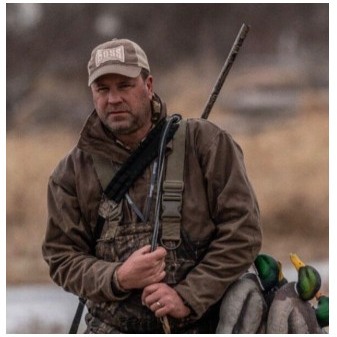
| Brad Heidel
WWA: Executive Director |
|
|
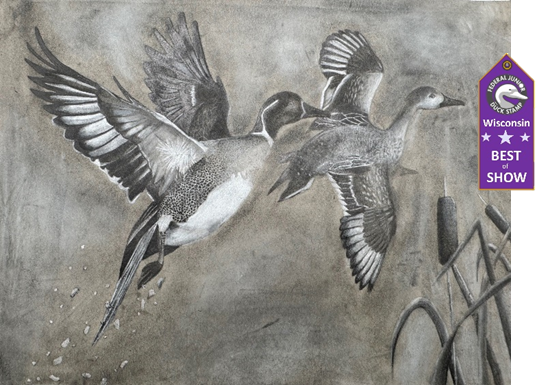
| We are excited to announce Wisconsin’s Best of Show
“Stormy Flight” by Chelsea Williams
Age 14, Slinger School District, Slinger WI |
|
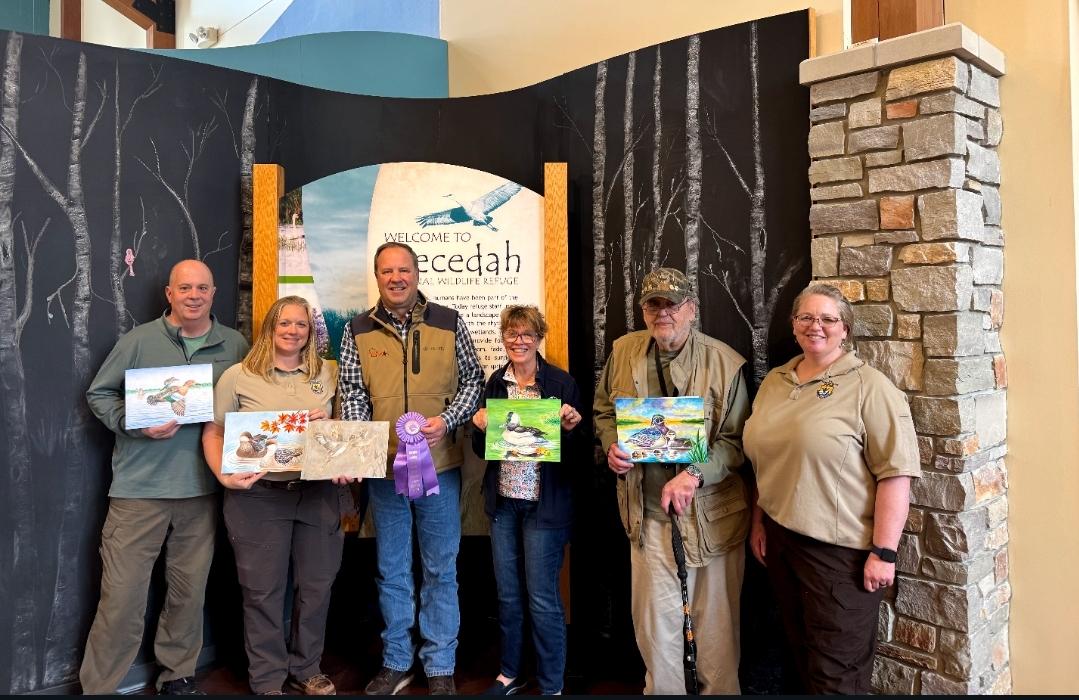
| The past few weeks have been busy and exciting. I recently had the honor of judging the state Junior Duck Stamp contest at the Necedah National Wildlife Refuge. There were over 300 entries this year, with some very promising young artists in the group. |
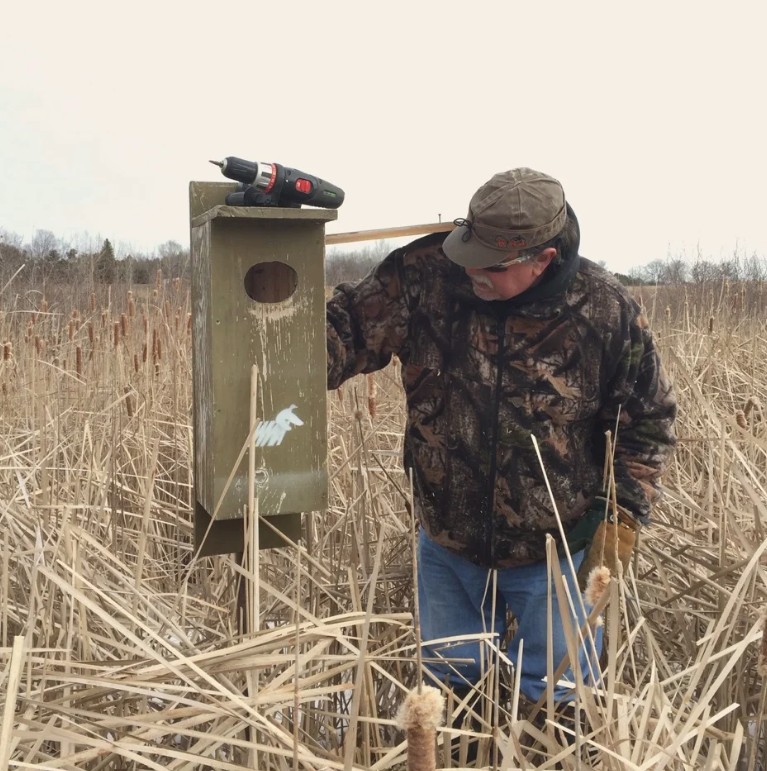
| I love spring – the crazy swings in the weather, the longer days, hunting turkeys, and the promise and hope of a great spring hatch. Just last week we were checking some of our hen house nesting structures and found hens already on the nest! |
|
|
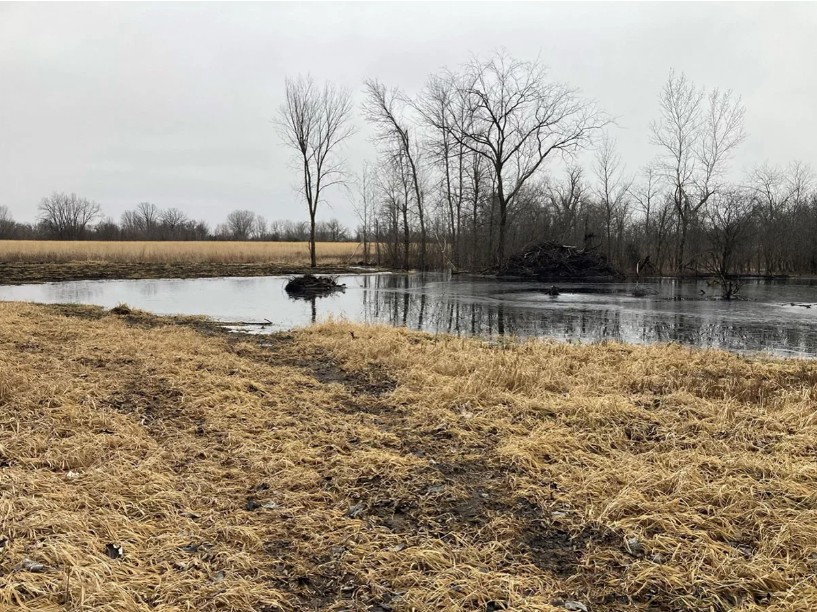
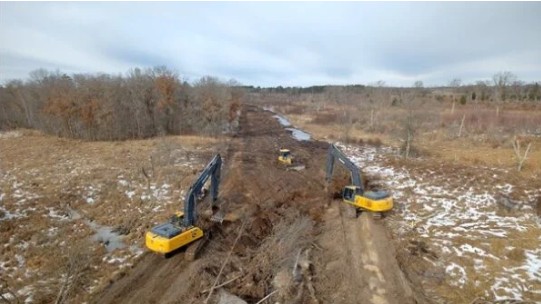
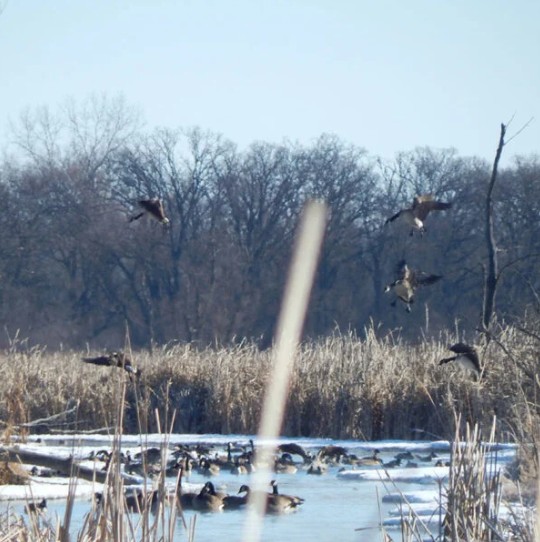
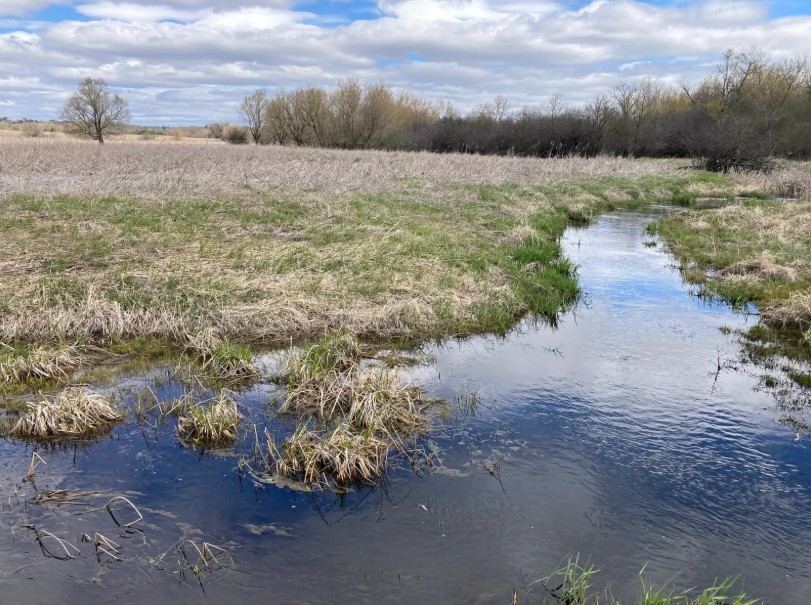
| While there, I was also able to see firsthand the work completed on Phase 2 of our Little Yellow River Project. During the work done this winter, our partner, Earth Inc., completed 9 miles of ditch deconstruction and filling. During the project, you could literally see water filling in behind them. This work is currently estimated to restore roughly 2,400 acres of wetlands! The project is allowing water to do what it did so many years ago. While there, I was able to observe areas that were once dry now covered in water – and even better, that water was already holding ducks. It will be exciting to see how this great project continues to progress. |
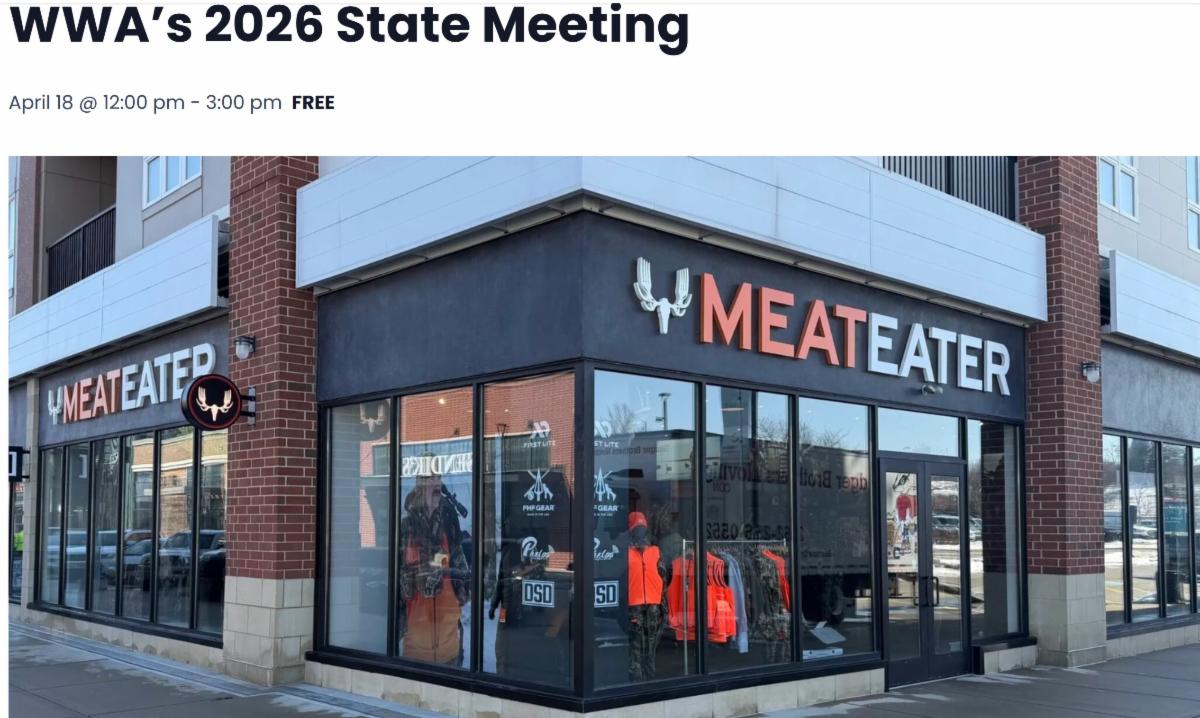
| I want to personally invite you to this year’s WWA Annual State Meeting on April 18. Space is limited and spots will fill quickly, so be sure to RSVP today to secure your place.I look forward to having those lucky enough to have signed up in time join us at the new MeatEater Store in Brookfield, WI, for a fun afternoon of conversation, updates, food, refreshments, giveaways, and a generous discount on all in-store First Lite gear. |
|
|
More Wisconsin ducks for
Wisconsin duck hunters
|
|
What Does Success Look Like?
|
|
| Anna Rzchowski
WWA: Public Land Ecologist |
|
|
| Wood ducks have returned to the oak woods around my home, foraging on the creek and flying from tree to tree shopping for the perfect cavity. I leave work in the evenings still a little surprised that there’s still daylight. And whenever I hold a drip torch in my hand I celebrate spring and appreciate the landscape that raises ducks, turkeys, morels, blackcaps, maple syrup, and the many other things I enjoy. |
|
| Whenever I’m in the area, I like to make a quick pit stop at our previous wetland restorations. Change happens gradually, and opportunistic visits are one way of keeping tabs on the work that we do and gleaning valuable information about how to approach restorations in the future. As I walk these wetlands, I like to conduct an AAR in my head. What worked well, what didn’t, and what surprised me? It gives me plenty of time to consider the question: is this project a success?
Success might look like a huntable wetland, but not always- here is a short list of other definitions. No measure of success in isolation is adequate to properly evaluate a project, and this list barely scratches the surface of what success could look like. |
|
|
| George Ermert, WWA Board Member and Policy Committee Chair |
|
Bill to Streamline Wetland Delineation Process Signed by Governor
|
|
| WWA’s habitat restoration projects occur in and around sensitive wetland habitats. They must go through permitting processes at both the federal and state levels, which involve regulators first understanding accurate wetland types and boundaries through a wetland delineation process.
This step in the restoration process has historically slowed projects, so this legislation, which was collaboratively crafted by the conservation community and others who serve on the Wisconsin Wetland Study Council, will help streamline the wetland delineation component of wetland permitting and help us deploy projects more quickly and more cheaply.
The bills (SB 798 / AB 808) had overwhelming support, passed both chambers of the legislature, and were signed into law by Governor Evers on April 2nd. |
|
| George Ermert, WWA Board Member and Policy Committee Chair |
|
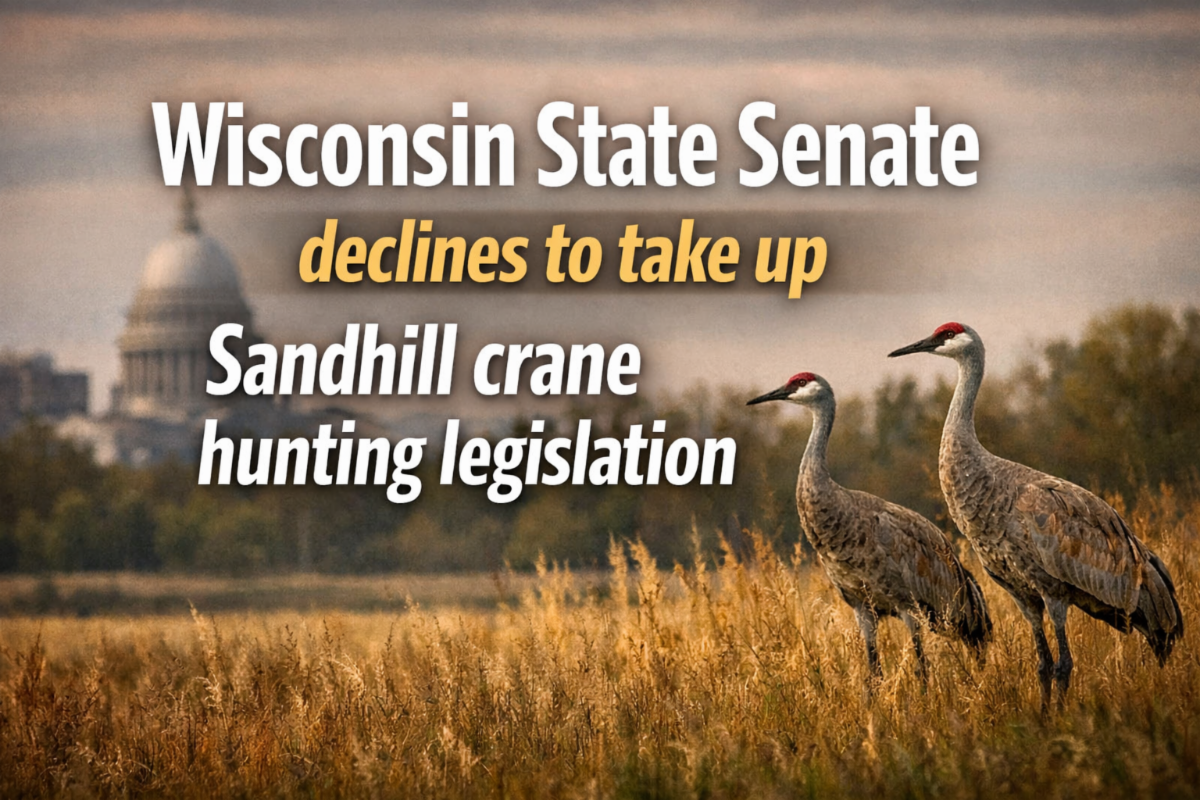
Sandhill Crane Hunting Season Efforts End When State Senate Fails to Take Up Legislation
|
|
| Efforts to bring a responsible sandhill crane hunting season to Wisconsin ended on March 17 when the State Senate failed to bring AB 117 up for a vote. The inaction by the State Senate means that a new bill to allow for a responsible sandhill crane hunting season will need to be brought forward in the next legislative session beginning in January 2027.
While it’s unfortunate that AB 117 did not get a vote in the State Senate, the efforts to bring a responsible sandhill crane hunting season achieved considerable progress in the legislature. WWA and our partners were a part of the “Legislative Council Study Committee on Sandhill Cranes,” which sent a recommendation in favor of introducing bills to establish a sandhill crane hunting season in Wisconsin. Those bills received a public hearing and a vote by committees in both the State Senate and State Assembly. And the State Assembly passed AB 117 on a voice vote. This was the first time a bill to allow a responsible sandhill crane hunting season had passed a legislative house in Wisconsin.
All those efforts will lay important groundwork and set the table for more progress on this issue in the next legislative session. |
|
| Warden Kyle Johnson
DDNR Conservation |
|
Opening Day Means Many Things To Hunters: It Starts With Doves
|
|
| If you ask a hunter to define opening day, chances are you will hear as many definitions as the number of hunters you ask.
The hunter may think about being in the duck blind. Then, there’s the opening of the gun deer season or the spring morning near a turkey roost. Their answer may be flushing grouse, and the list goes on.
Now, ask a hunter to describe their emotions and feelings when they think about their opening day, and the answers may be similar — excited, hopeful, and nostalgic. All those emotions may be in play come Sept. 1, as it will mark the first of several fall hunting openers.
This day starts with a bang in the dove fields at first light in Rock County.
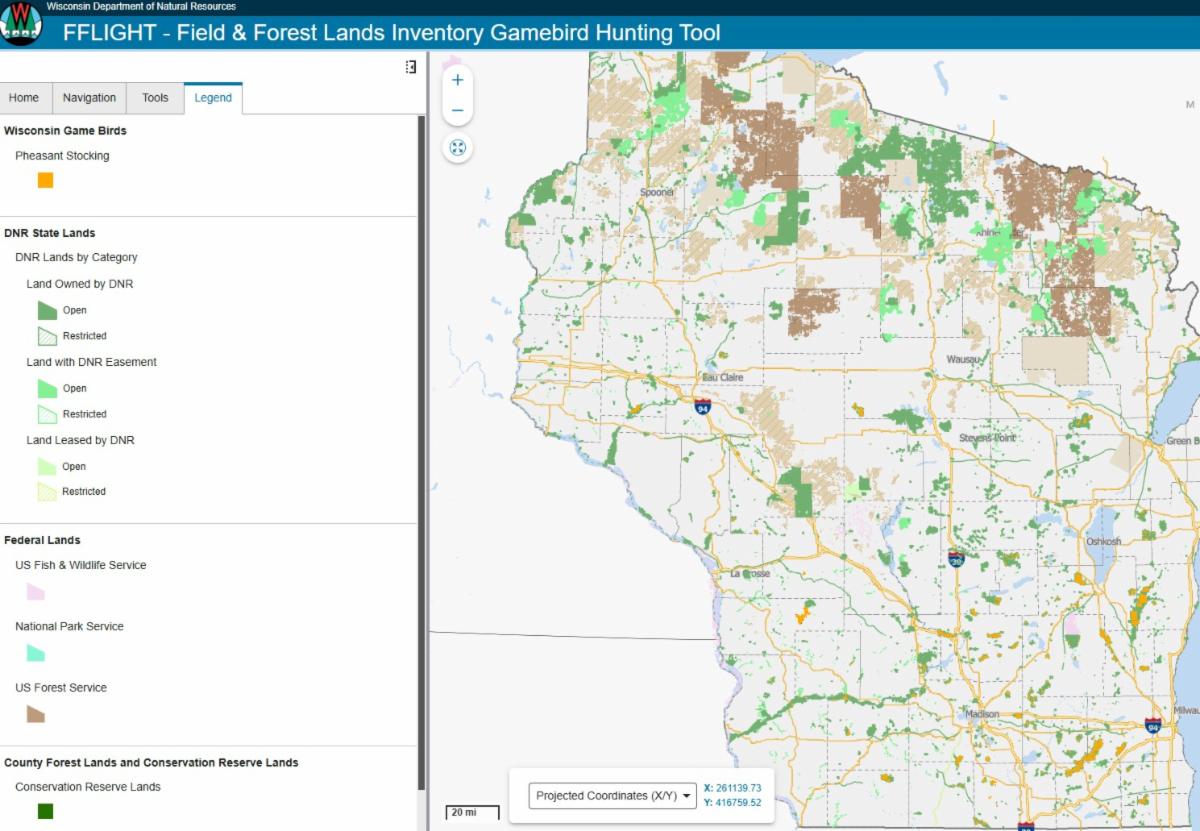
No matter how hard a field can be worked, Mother Nature has the final say. Ragweed can sometimes take over and tower to more than 10 feet tall. The summer rain can drown crops. As with any hunting, scouting ahead of time is essential. The locations of dove fields can be found on the DNR website by searching for the Fields & Forest Lands Interactive Gamebird Hunting Tool (FFLIGHT). |
|
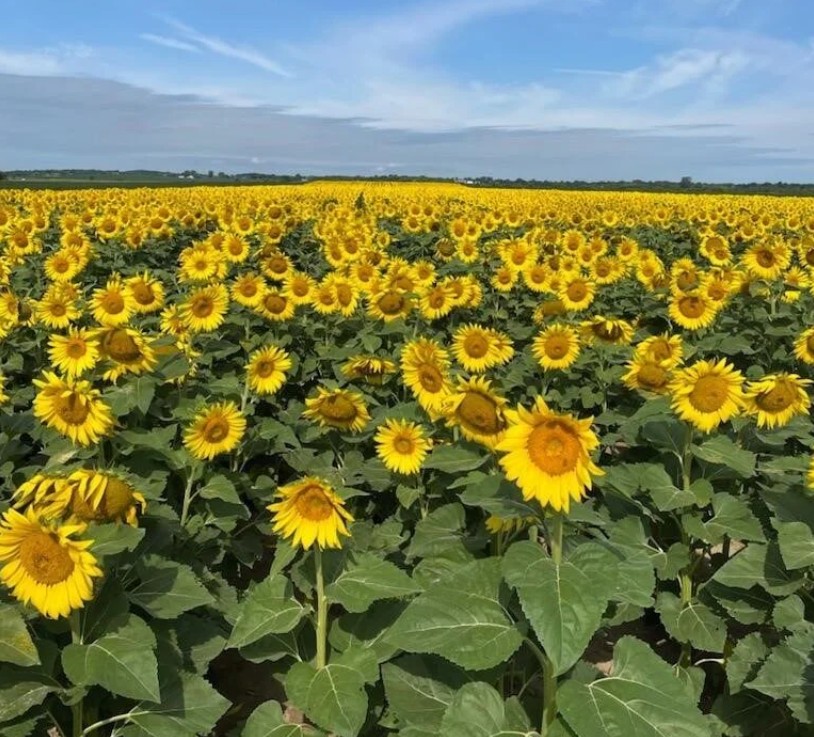
| Dove fields are the hunting niche of Rock County. Rock County is home to around 12 managed dove fields that offer sunflowers or winter wheat.
These are quite the draw for the dedicated dove hunters. I have checked hunting groups who have driven for hours – more than four, in fact – just to spend time in the dove fields on opening day. |
|
| Connie Markham,
Outdoor Enthusiast |
|
|
|
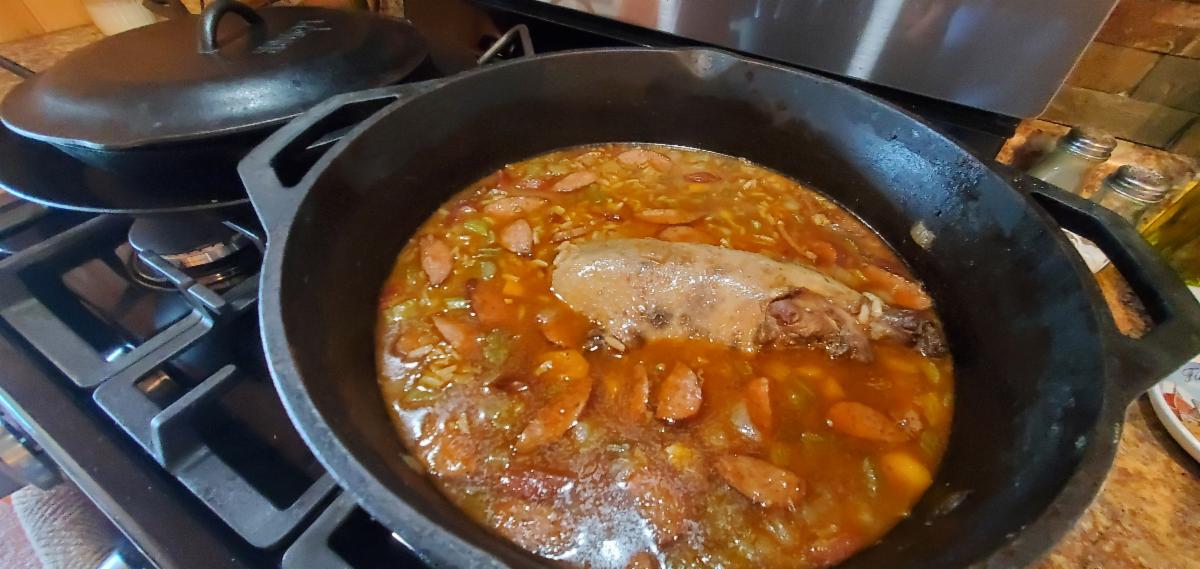
There’s something special about turning a successful day in the marsh into a warm, comforting meal shared with family and friends. Duck jambalaya is a perfect way to celebrate the harvest—rich, hearty, and packed with bold Cajun flavor. This one-pot classic transforms wild duck into a savory dish filled with smoky sausage, vegetables, and spices that bring a taste of the South to your kitchen. Whether you’re cooking for camp, the cabin, or the dinner table at home, this recipe is sure to become a favorite tradition.
|
|
|
| The recipe is straight forward:
• Cast Iron Dutch Oven to keep this simple
• 2 Whole Mallard Duck
• 2 Wood Duck breast meat
• 1 lbs. package Bacon
• 1 Andouille sausage
• 1 Smoked sausage
• 1 cup chunked shrimp
• 1 whole onion chopped
• 6 sweet peppers chopped
• 4 stalked celery chopped
• 1 cup carrots chopped
• 1 cup roasted corn cut off cob
• 4 whole tomatoes chopped (with juices)
• Marinate
– 3 T Red wine vinegar
– 3 T Olive oil
– Balsamic vinegar
– 2 T New Orleans Cajun
– 2 T Slap Ya Mamma
– 2 T Lowery’s
– 2 T Liquid Smoke
FOLLOW LINK FOR COMPLETE RECIPE
As the last spoonful disappears, duck jambalaya becomes more than just dinner—it’s a reminder of crisp mornings, loyal retrievers, and the stories shared after the hunt. Recipes like this keep traditions alive and connect the field to the table in the most meaningful way. We hope this dish inspires you to gather your crew, swap stories, and savor the rewards of conservation and the outdoors. Enjoy every bite! |
|
| Bruce Urben,
WWA President |
|
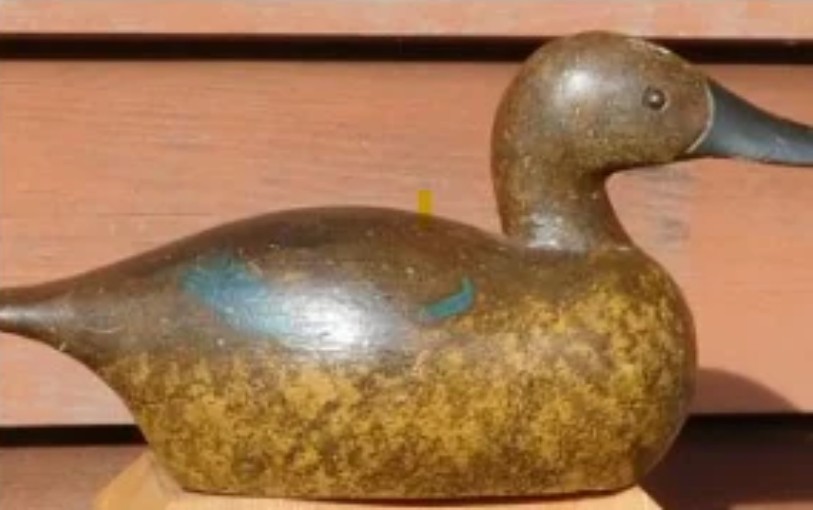
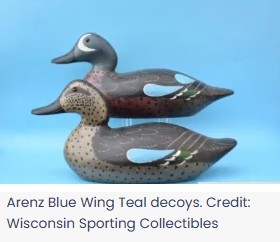
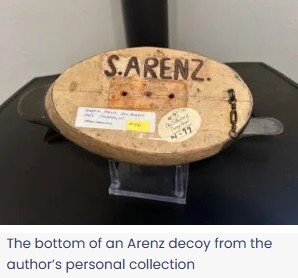
Seraphin N. Arenz – Fond du Lac Decoy Carver and Winnebago Waterfowler
|
|
| The City of Fond du Lac is located on the south end of Lake Winnebago in Fond du Lac County. Lake Winnebago is one of the largest inland lakes in the United States and the largest in Wisconsin. It is almost 28 miles long and 10 miles wide, and was a waterfowl hunting hotspot in the 1900s. |
| Seraphin (Serph) N. Arenz grew up in this area of Fond du Lac near the waters of the Winnebago. Serph was born in September of 1903 to Michael Arenz and his mother, Gertrude Wettstein. His parents immigrated from Germany to America
in the late 1800’s. They were farmers and craftsmen. Serph followed in his father’s footsteps as an avid waterfowler, using Lake Winnebago to put food on the table in his early years. |
|
|
1st Annual Valley Chapter
Spring Turkey Bash
|
|
FREE to ATTEND
• Bucket Raffles • Meat Raffles
• Door Prizes • Food & Drink Specials
Featuring the drawing of our Class A – need not be present to win! |
|
|
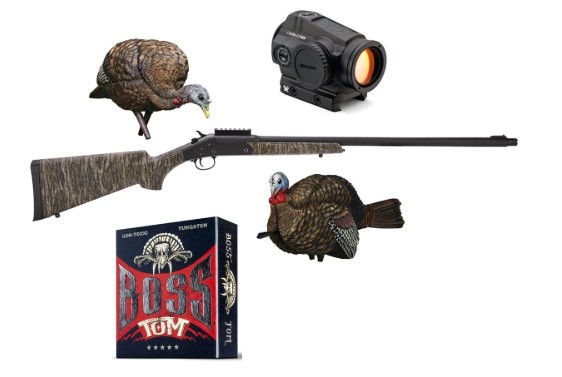
Grand Prize: Savage 301 Turkey .410 Vortex Sparc Solar Red Dot, Avian X Decoys & BOSS Tom TSS Ammo
|
|
WWA’s Class A – need not be present to win – .410 Turkey Package Raffle
- Tickets just $10 each, only 250 sold
- Drawing 4:30 pm April 11, 2026 at Hunter’s Sports Bar, E9102 State Rd 96, Fremont, WI 54940
Get your tickets securely online below. Tickets will be available online until 4:30 pm, April 10th, or until the raffle sells out. Any remaining tickets available for sale will be at Hunter’s Sports Bar until the time of the drawing. |
|
|
|
|