Yellowstone Lake Trout
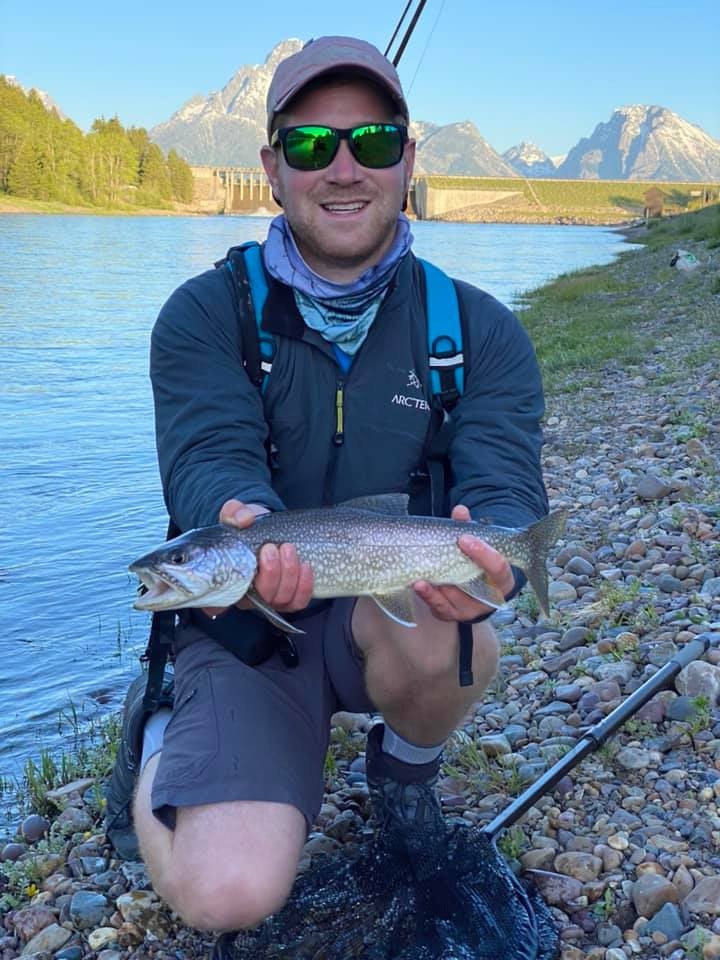
Though most coveted trout species are actually considered invasive in at least parts of the U.S., they have long been established and often support economically important fisheries. However, some trout species in some areas are considered more destructive than valuable, so fisheries managers are working to eradicate them. The Yellowstone National Park region is home to non-native rainbows, browns, and brookies, but it’s the lake trout that are a problem. Both lake trout and native cutthroat trout are found in Yellowstone Lake, the largest high-elevation lake in North America, with lake trout both preying on and competing with cutthroats. A single lake trout can eat dozens of cutthroat trout every year, and this loss of the native fish is contributing to declines in many other wildlife species. In Yellowstone Lake, park regulations actually require anglers to keep or at least dispatch all lake trout they land. Added good news is that you’ll probably also be able to catch (and release) some big cutthroats when you’re out there.
- Size: Around 20 inches typically, but up to 36 inches and nearly 40 pounds in this region
- Where to Target: Yellowstone Lake, WY; noted spots include Carrington Island by boat or shore fishing in the Bridge Bay and West Thumb areas
- How to Catch: Fly fishing by stripping a streamer with a baitfish pattern, or gear angling using deep-diving lures or vertical jigging in deeper water; guided fishing tours and boat rentals are available
- Best Times: Legal in the park from Memorial Day weekend until early November, but fall is the best time, when lake trout move into the shallows to spawn
- How to Prepare: High in healthy omega-3 fatty acids, they can be pan-fried or baked; they also cook nicely over an open fire in a grill basket (bring some butter and lemons)
What We’re Doing About AIS
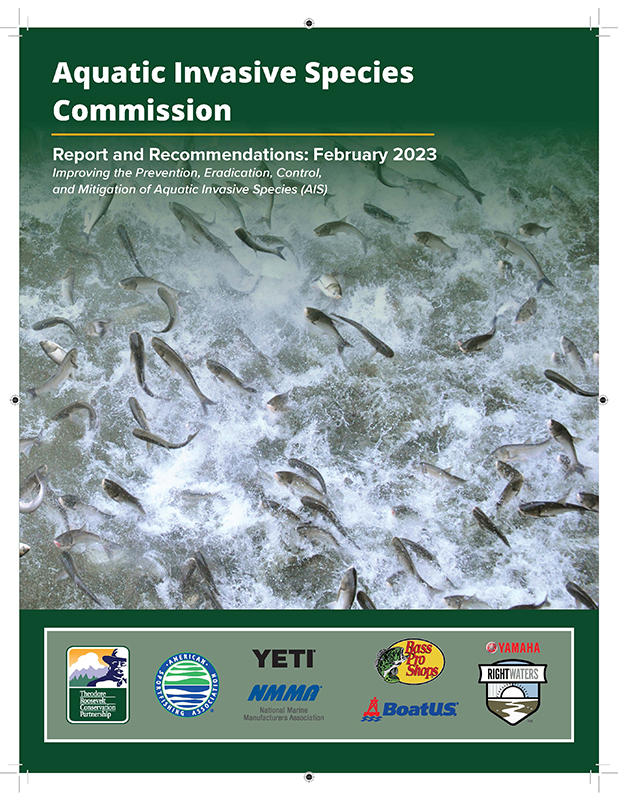
TRCP recently worked with Yamaha Rightwaters, YETI, the American Sportfishing Association, Bass Pro Shops, and other partners on an AIS commission to address the need for better prevention and mitigation of aquatic invasive species. The commission’s final recommendations, finalized in 2023, included the need to modernize federal law and policy, increase targeted funding, maintain fishing access, and increase public education. See the full Aquatic Invasive Species Commission report here.
A special thanks to Noah Bressman, an assistant professor and AIS expert at Salisbury University, for helping confirm information for this blog, and for providing the snakehead photo in the banner image.
You may also like
-
DNR To Host Two Open Houses At Fish Facilities On Saturday, Oct. 10
-
Great Lakes lawmakers say delays on invasive carp barrier threaten ecosystems, economy
-
Free Fishing Weekend Is June 6-7; Find An Event Near You
-
Learn About Wisconsin Fisheries Management At Upcoming DNR Meetings
-
DNR Publishes 2024 Fish Stocking Summary