Wisconsin’s General Fishing Season Opens This Saturday, Are You Ready?
Anglers are encouraged to check out the new regulations and season structures in effect this year before the season opener on May 2. / Photo Credit: Wisconsin DNR
As you get ready to hit the water for the general fishing opener on Saturday, May 2, make sure you know the fishing regulations for where you are planning to fish. Many regulations changes have gone into effect this year, including changes to season dates and bag and length limits.
Whether these changes were made to help control angler impacts on local fish populations, provide additional angler opportunity where biologically appropriate or maintain numbers or sizes of fish within a waterbody, these regulation changes will help ensure fishing opportunities exist in the future.
Some of the major regulation changes for the 2026-2027 season are outlined below.
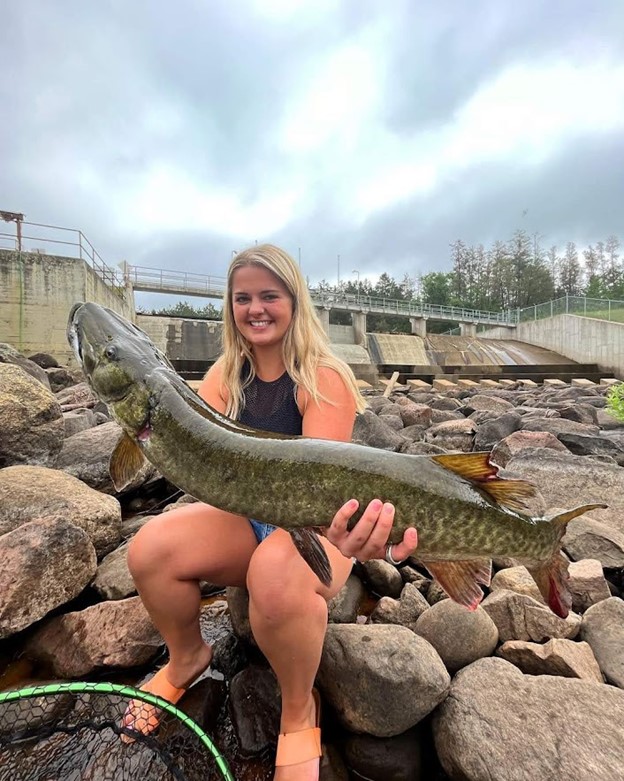
Inland Musky Season
There is no longer a separate northern zone musky season opener. Anglers can now fish for muskies on inland waters statewide from May 2, 2026 – Dec. 31, 2026 on open water. The musky season structures for the Great Lakes, Green Bay and Michigan/Minnesota boundary waters are unchanged.
Key reasons for this season structure change include no biological reason to restrict anglers from legally targeting muskies earlier in the year. Increased minimum length limits with a daily bag limit of one fish, combined with high rates of voluntary catch and release has resulted in negligible harvest.
More information on this change can be found on the DNR’s Musky webpage.
Panfish Bag Limits
There are some panfish bag limit changes on specific waterbodies, all of which are aimed at rehabilitating or preserving panfish size structure.
This year, the 10-year statewide experimental panfish regulations concluded. As a result, a new regulation for rehabilitating overharvested panfish populations is now in effect on some lakes. These may have a cap of five fish of certain species, with a daily limit of either 10 or 25 panfish depending on where you are fishing.
See page 30 in the regulations to determine if your fishing location has a new species-specific bag limit.
Sturgeon Catch And Release
There are now designated waters for catching and releasing sturgeon from June 6, 2026 – March 7, 2027. Anglers do not need a harvest tag to catch and release lake sturgeon in the identified waters.
The current hook and line harvest season remains unchanged.
Smallmouth Bass Harvest
Smallmouth bass harvest has now changed in Lake Michigan and tributaries to Green Bay and Lake Michigan. See pages 85 and 89 of the regulations for details.
Don’t Forget Your License!
As a reminder, all Wisconsin residents and nonresidents age 16 or older are required to purchase a fishing license. Annual resident licenses cost $20 each, or purchase a spousal license for $31 so you and your spouse can fish together. All fishing licenses and stamps can be purchased online via Go Wild, at a registered sales location or at DNR Service Centers.
DNR Recruiting Wardens For 2027 Class Through May 14
The Wisconsin Department of Natural Resources (DNR) will accept applications for the 2027 class of conservation wardens from April 30 through May 14.
DNR conservation wardens are credentialed state law enforcement officers stationed statewide, serving rural and urban communities. They enforce laws critical to the protection of fish and wildlife, the environment, state parks and forests and outdoor recreation enthusiasts. Wardens also serve as ambassadors and educators, teaching the public about natural resources, outdoor safety and environmental conservation.
The DNR will hire approximately 14 full-time wardens who will begin training in January 2027 or April 2027, depending on experience level.
No prior law enforcement experience is required. Applicants will need to meet minimum requirements and possess skills and abilities involving communication, public service and self-motivation.
A recorded webinar detailing the hiring process, training and more will be available later in April. Several current DNR conservation wardens will also schedule open office hours to meet with interested individuals. The webinar and office hours will be listed on the website when available. Interested applicants can also sign up for email updates.
Learn more about the career on the DNR’s Warden Recruitment webpage. |
Celebrate Spring With New DNR Merch
New items just launched in the Wisconsin Department of Natural Resources (DNR)’s merchandise store – just in time for spring!
Warmer weather patterns have started to settle in, and T-shirt weather is officially here. The DNR’s new selection of shirts, crewnecks, park posters, magnets and more feature designs inspired by the state’s fish, wildlife, public lands and recreation traditions.
Get yours while supplies last and find the perfect fit to show your love for state parks and nature this spring.
New items include:
- Vintage Wisconsin State Parks crewneck sweatshirt and tee
- Posters of Kohler-Andrae, Pattison, Perrot and Rib Mountain state parks
- Magnets of Kohler-Andrae, Pattison, Perrot and Rib Mountain state parks
- 2026 Wisconsin State Park System pin
- Wisconsin Loon & Trees crewneck sweatshirt
- Hunt Wisconsin trucker hat
Additional items will be added in the coming months, so check back for more natural resources-themed gear. The DNR also has some exclusive Wisconsin State Park System items available in-person at select park locations, including seven new stickers representing your favorite outdoor activities on public lands! Be sure to keep an eye out on your next adventure.
Proceeds from DNR merchandise directly support conservation and environmental education and outreach initiatives across Wisconsin. Officially licensed Smokey Bear products also support the National Fire Prevention Program.
Free shipping is available on all orders over $75. All online orders are shipped within 2-5 business days.
Sign up for DNR email alerts to receive communications about new items and promotions as they become available. |
Restoration Efforts Boost Upper Mississippi
Winding more than 1,250 miles along five states, including Wisconsin, the Upper Mississippi River is a special place, featuring wide pools, lush islands, wetlands, forests and sweeping bluff-top vistas. It is a vital, multi-faceted resource. Since the 1930s, the Upper Mississippi has been regulated by a series of locks, dams and pools to support commercial navigation, which has altered the natural river processes and habitats.
Forty years ago, in 1986, Congress established the Upper Mississippi River Restoration Program as a way to balance competing uses of the river. Now, Wisconsin and other river states, along with federal agencies, nongovernmental organizations and additional partners, work to monitor the river’s health and use the data to implement projects to maintain this important balance.
The spring issue of Wisconsin Natural Resources magazine has more on these long-term efforts to boost the Upper Mississippi River. You can find the story in the spring digital edition or check online to subscribe, renew or give a gift subscription. You also can call 1-800-678-9472 to order today.
|
|