|
Images may appear blurry in some web browsers. We recommend opening newsletter links in Google Chrome.
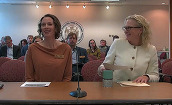
The spirit of interagency communication was on display during a joint meeting of the Wisconsin Natural Resources Board (NRB) and the Wisconsin Board of Agriculture, Trade and Consumer Protection (Ag Board) on Nov. 13.
A joint presentation was given by DNR Forest Health team leader Becky Gray and Renee Pinski, Pest Survey and Control Section manager within the DATCP Plant Industry Bureau.
Read the full article here …
|
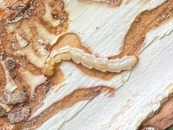
The Wisconsin Department of Natural Resources (DNR) encourages property owners to watch for woodpecker damage to their ash trees this winter.
Woodpecker damage, often called “flecking,” happens when birds peck away some of a tree’s bark to access the larvae underneath. Flecking is a common early sign that an ash tree might be infested with emerald ash borer (EAB), an invasive insect.
Read the full article here …
|
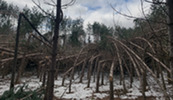
Winter damage can significantly impact the health of trees. Keeping trees healthy through the fall is important for reducing winter stress. Provide water as needed to trees until the leaves start falling (for deciduous trees) or until the ground starts freezing (for conifers).
Read the full article here …
|

Eastern white pine (Pinus strobus) has historically held great ecological, cultural and economic value throughout Wisconsin, a tradition which continues today.
For more than 100 years, however, it has been threatened by a non-native, invasive fungal pathogen called Cronartium ribicola, or white pine blister rust (WPBR).
Read the full article here …
|
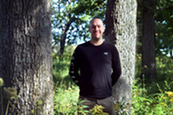
Mike Hillstrom and Bill McNee, members of the Wisconsin Department of Natural Resources’ Forest Health team, made notable radio appearances during November.
Hillstrom, the DNR’s invasive forest pest coordinator, appeared on Wisconsin Public Radio to discuss the invasive pest hemlock woolly adelgid (HWA). The insect has not yet established a presence in Wisconsin.
Read the full article here …
|
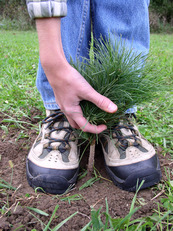
The Wisconsin Department of Natural Resources (DNR) is offering free tree seedlings to every fourth-grade student in Wisconsin as part of its annual Arbor Day tree planting program.
Wisconsin fourth-grade principals, teachers and homeschoolers can now place seedling orders and coordinate delivery by completing an application by March 16.
Read the full article here …
|
Division of Forestry News
Forest Health News
Forest Products News
Private Forestry News
Reforestation News
Urban Forestry News
Wildland Forestry News
|