
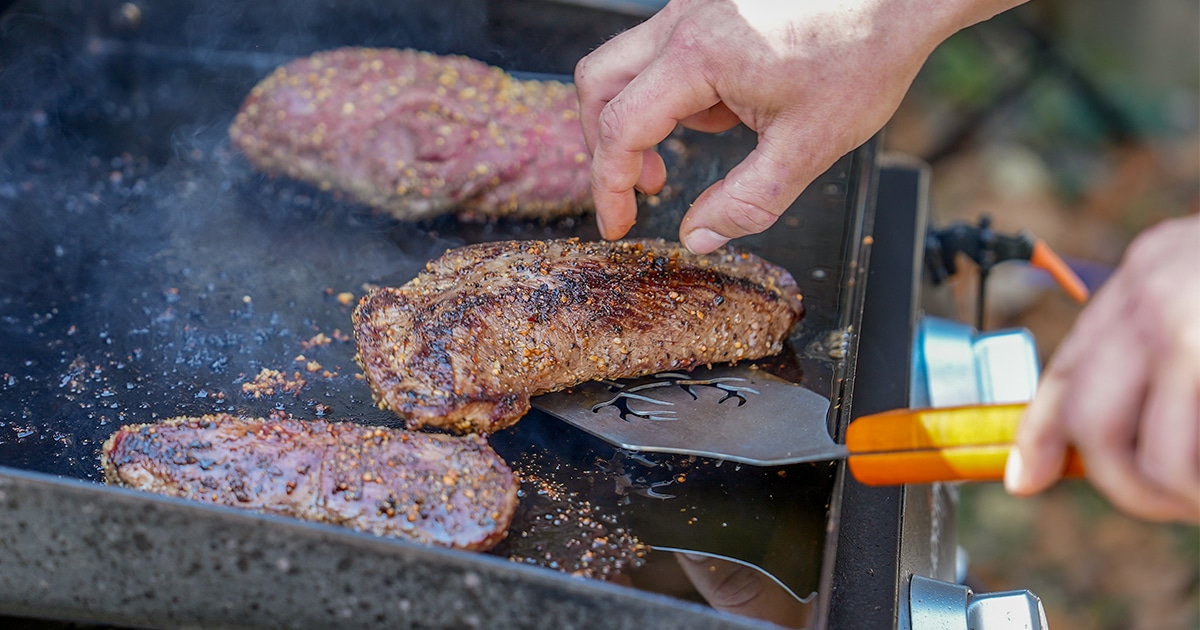
Most hunters stand firm that a primary motivator why they hunt is the ability to acquire a natural, sustainable source of delicious meat for their families. It certainly is for me! But it’s often said that venison from a buck doesn’t taste as good as venison from a doe. If that was true, wouldn’t the majority of hunters focus on taking a doe instead of a buck?
Unfortunately, that’s not happening. The national buck harvest exceeded the antlerless harvest during five of the seven hunting seasons between 2017-2023, and because of that imbalance the NDA is encouraging hunters to increase the doe harvest in numerous states.
We also know that most hunters kill one deer or fewer annually, so if the belief that a difference in buck vs. doe meat exists is accurate, capitalizing on that first ethical shot opportunity is important since it may be the only food coming home in a given season. Moreover, waiting for a buck to walk by while passing on a doe could directly impact the quality of the meat on your dinner table, which goes against why people hunt in the first place! Are hunters actually choosing the lesser table fare?!
I’m not one to leave a particular claim up to conjecture, so bring your taste buds along as we slice through the meat of the question: does venison from bucks and does really taste different? Maybe what we learn together will convince you to change your hunting strategy this fall.
What is Taste
Most folks know our sense of taste is the result of receptors on the tongue reacting to compounds in the food we eat and sorting the complex flavor profile into a continuum of five categories (sweet, salty, sour, bitter and savory). However, doing research for this article I was reminded that taste is also impacted by the ability to see and smell the food, feel its texture and entice some of our other senses.
There are also a wide variety of additional influences on the taste of venison besides possibly the sex of the animal, including pre-harvest attributes like the age of the deer, stress it experienced while alive, and its diet. Just look at what a well-tuned finishing process does to the flavor of beef. Care taken during post-harvest preparation of the meat – in-field handling, butchering, refrigeration, packaging, aging of meat, and cooking method – can have a big impact as well. Being a card-carrying science nerd, I set out in search of peer-reviewed literature that specifically studied how gender affects the flavor of venison, cut-for-cut.
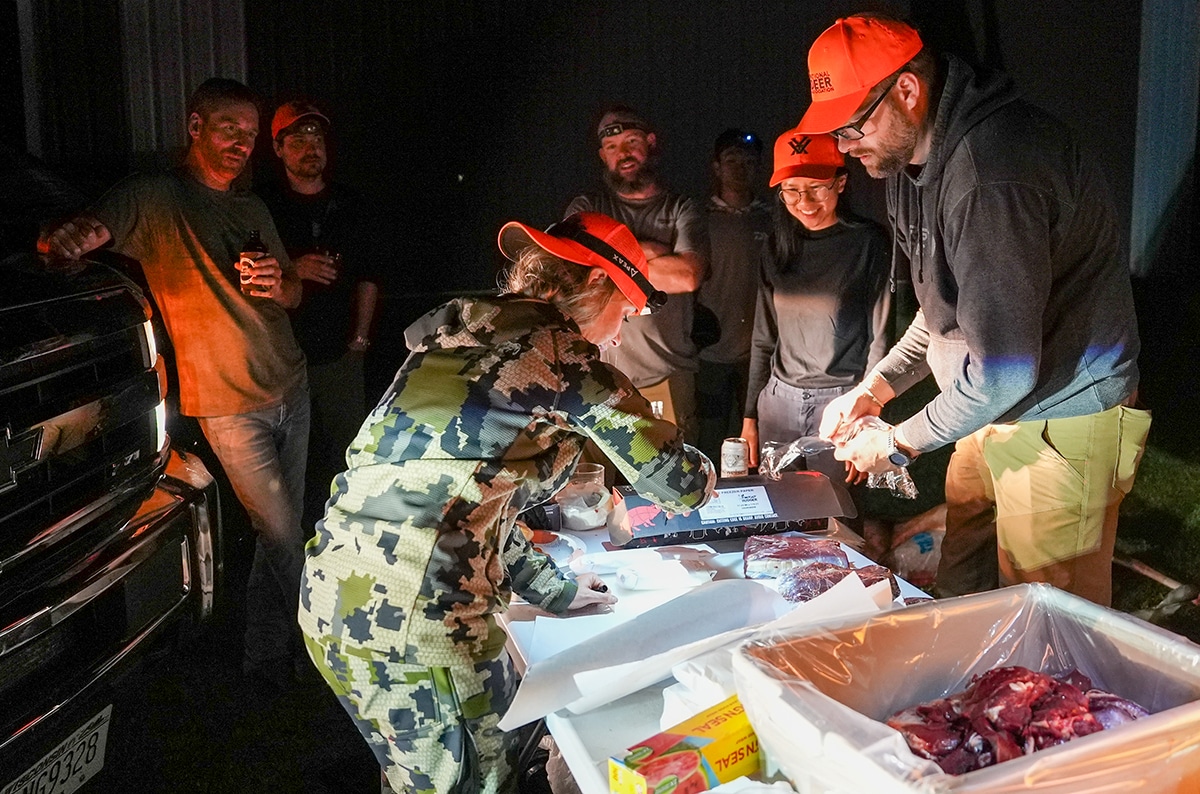
Sampler Size
In doing so, I found plenty of resources that describe factors that impact the taste of beef, including gender and hormones, but we’re talking about a completely different animal here, so I kept looking.
You may think similar information is readily available for wild white-tailed deer, but despite highly published data* on the health benefits a lean cut of venison provides over a juicy angus steak – including comparisons of protein, calories, and fat – nothing I read broke down the nutritional results by gender. Eventually I discovered a series of projects investigating the difference in taste between wild female and male roe, fallow and sika deer, all cousins of the whitetail. Since that’s the best we have, the following is a summary of the collective results in those studies.
*USDA nutritional data for venison comes from captive, farm-raised animals. NDA is looking to correct that in an exciting new research effort aimed at capturing similar statistics from wild white-tailed deer.
Venison Color
Because we eat with our eyes as much as our mouth, color is one of the first qualities noticed when processing an animal or preparing venison for consumption. That visual often influences our perception of meat quality and freshness. Because researchers found that venison from bucks of multiple species tend to have deeper and richer hues of color compared to doe meat, the “taste” advantage here goes to bucks.
Venison Aroma
A foods’ scent is a big part of the eating experience, and we often begin developing a flavor profile for something while it’s heating up. Let’s face it, the lingering aroma of good ol’ fashioned home-cooking can call any boy or girl home. Once you put aroma together with what food looks like, our salivary systems kick in to high gear in preparation for a chow down. Obviously, the opposite is true when encountering nasty-smelling foods.
Results from at least one study reported that venison from fallow bucks emit a lower intensity odor compared to does. However, multiple reports claimed the smell from buck meat can become more intense and off-putting depending on when the animal was harvested, the unsaturated fatty acid (UFA) composition – buck venison tends to have higher concentrations of UFAs – and if the meat was handled appropriately. So, when it comes to avoiding stinky steaks, it smells like buck meat is a lot less forgiving than wild doe meat.
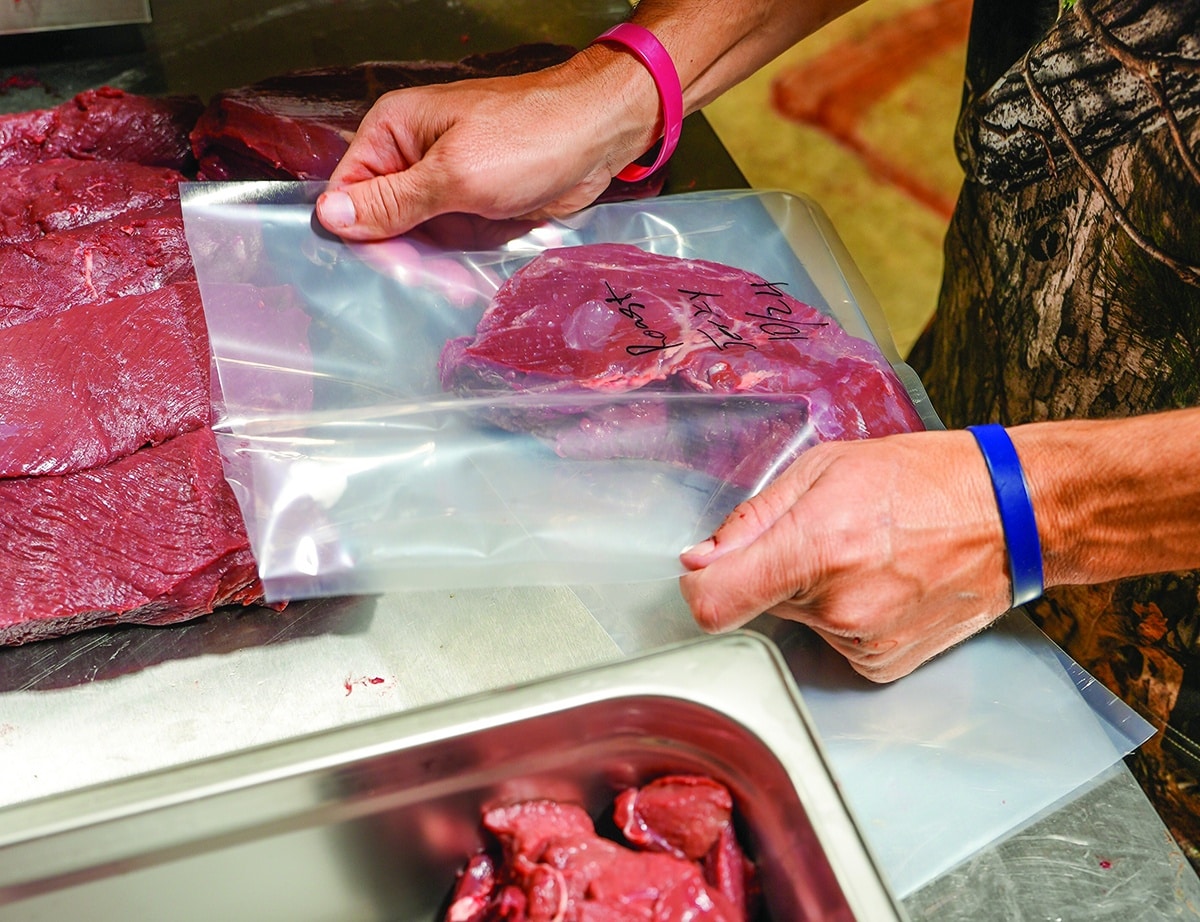
Venison Texture
Texture refers to the physical sensations experienced when chewing meat, including its firmness, stickiness, and how juicy it is. Mhhmmm, juiciness! The proportion and density of muscle fibers, connective tissue, and fat in the meat all affect its texture. A pleasing texture is crucial to an overall satisfying eating experience, especially with wild game.
Connoisseurs of venison know all too well how much connective tissue – silver skin, sinew, tendons, and other ligaments – and how little intramuscular fat exists compared to beef, and that utmost care must be taken during the butchering and cooking process to ensure a quality product. Hunting seasons are often timed when bucks are more active and engage in activities such as fighting, chasing does and breeding. Theoretically, this increased use leads to more developed muscle fibers and connective tissue compared to does, and thus, tougher meat texture. Changes in hormones from the rut likely play a part as well.

While the research I read was inconclusive as to which gender had the juicier meat, venison from bucks in these studies almost always had a lower pH value, higher dry matter and protein content, and less fat than doe meat. All these qualities typically result in firm and drier textures. Thus, venison from does would be preferred in most cases.
Venison Tenderness
Tenderness is one of the most critical factors influencing the quality and perception of taste, and food scientists have two ways to determine how tender a piece of meat is. “Shear force” measures the energy required to cut cleanly through the muscle fibers. No surprise here, venison from bucks had both higher shear force and lower tenderness values than meat from does in the studies.
“Drip loss” is a method that involves weighing a meat sample before and after a period of storage to determine the proportion of weight lost due to water, water-soluble proteins, and other liquids being released. Excessive drip can result in drier, tougher meat with less distinct flavor and lower palatability. Like the shear force test, drip loss was higher for buck meat in almost every case.
When it comes to bringing home the most tender venison available, unquestionably the “W” goes toward killing does over bucks.
Venison Flavor
Most people think of meat as a simple blend of two things: protein and fat. But the components that contribute to the taste of venison are complex and highly dynamic. Furthermore, every animal we eat has a unique flavor because of the differences in protein and fat content between and among species.
Protein itself doesn’t have much flavor, but it acts as a precursor for key meat flavors because protein breaks down to things like amino acids and peptides, and those compounds react during cooking as volatile organic compounds (VOCs). The combination of these individual components and their reactions to each other provide the distinct “meaty” flavor that’s expected when eating red meat, such as a bold, savory foundational taste followed by undertones of bitterness or sweetness. Extreme nuance exists, though, because pretty much everything involved pre- and post-harvest can affect the proportions of these compounds.
Pure fat ultimately contributes to meat’s full, rich flavor by acting as a conductor for similar compounds, but most fats deposited inside a deer’s body aren’t quite the same as those found in beef. Deer fat can have a waxy or greasy consistency, and it frequently causes the “gaminess” described in venison, if left attached.
Fatty acids affect meat taste too by undergoing oxidation and producing additional VOCs. Often, some oxidation is good because VOCs are critical to get that signature meat flavor. However, similar to meat’s aroma, excessive oxidation of fatty acids can lead to negative off-flavors. So, it’s wise to follow proper storage and handling techniques, abide by reasonable dry-aging time limits, and keep the venison at recommended temperatures.
All that said, the effect of gender on venison flavor was initially difficult to discern. According to the studies cited above, wild buck venison tends to have lower total fat content and monounsaturated fatty acid (MUFA) levels compared to does. Thinking about it, this makes sense because cattle producers say grass-finished beef has lower fat content and MUFAs compared to grain-finished beef. Since bucks are more active and reduce their total food intake more relative to does, their meat should more closely represent grass-fed cattle compared to cows fed grain. Meat from bucks also had higher protein and polyunsaturated fat (PUFA), but lower saturated fat (SFA) levels in almost all the studies.
Generally speaking, the way I interpret these data is that buck meat maintains the ingredients necessary to entice stronger, more intense “umami” notes than venison from does, but the lack of palatable intramuscular fat and poor PUFA/SFA ratios means that it’s easy to mess up the bold, savory flavors if you do anything wrong post-harvest. Meanwhile, since does have more fat and less protein, you can mess up their meat during the butchering process but gain loads of forgiveness during aging, storing and cooking on the journey from field to fork.
Dinner, then Dessert
So, where does that leave us? Well, if you didn’t keep score:
| Venison Qualities | Advantage |
| Color | Bucks |
| Aroma | Does |
| Texture | Does |
| Tenderness | Does |
| Flavor | Tied |
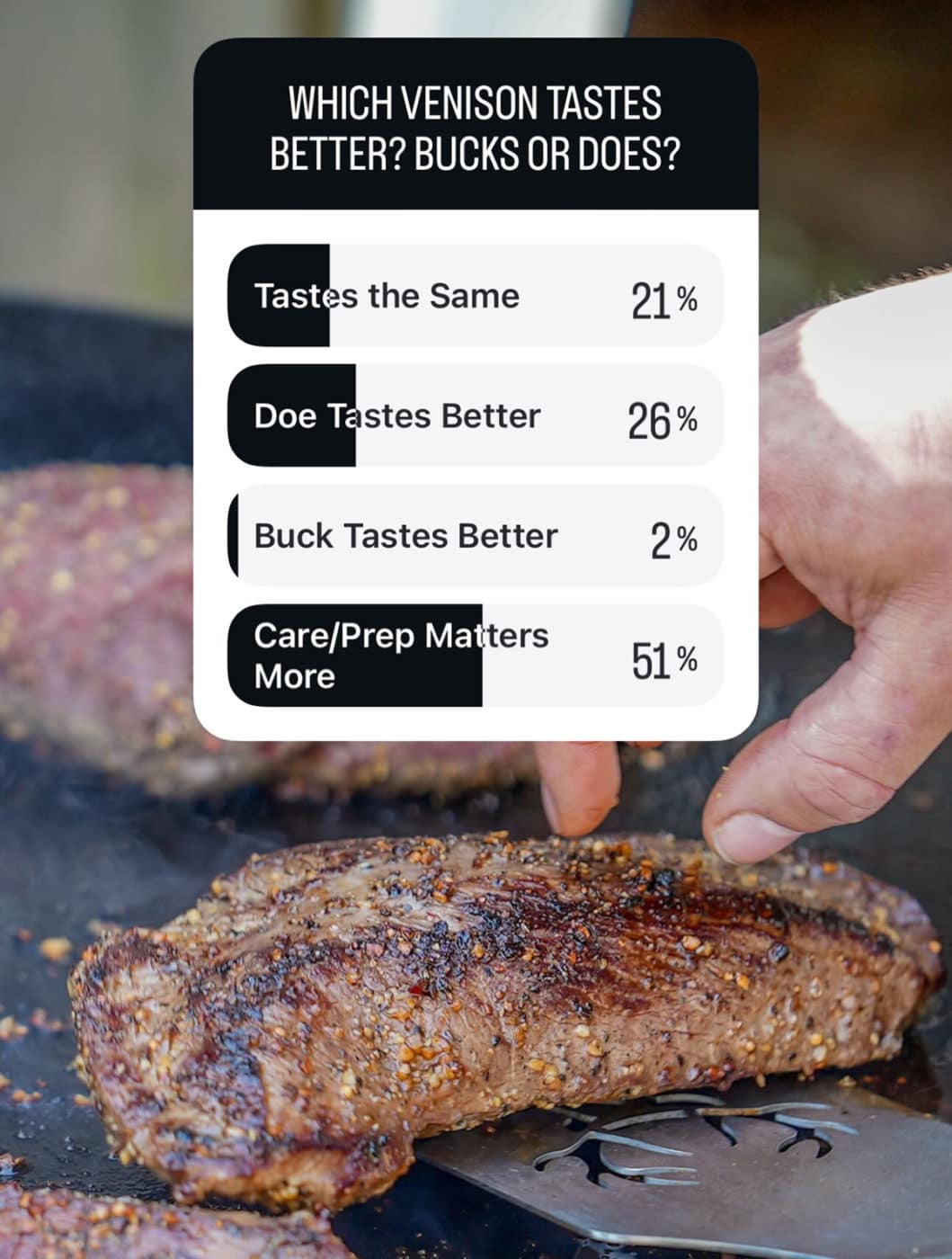
A remarkable thing about both whitetails and people is our individuality. I love deer hunting because of that variability. I experience a different challenge, hunt, and come home with a different “trophy” every time, even if I sit in the same stand on the same property each time I go! Differences abound in humans, too, including taste. There’s no law against having a fondness for sweets or spicy foods or even choosing to be a vegetarian. However, if you’re an avid meat eater like me, this may have confirmed what you knew all along. Based on the scientific evidence available, the answer to the question is, venison from a doe tastes better. However, it’s important to realize it’s a very slight difference. Bucks taste good too as long the venison is handled and prepared correctly! Either can taste terrible if poorly prepared, a popular opinion among deer hunters coast to coast.
These results match what I’ve personally experienced after hunting for nearly 40 years and eating a lot of buck and doe meat in the process. In fact, they pair almost as good as a medium-rare grilled backstrap and ice-cold beer. I’ll admit my family flat out prefers venison from the does I kill. Perhaps I’m a terrible cook and the room for error in doe meat flavor or their palatability in other ways gives them a leg up. Regardless, I am under specific instructions from my wife and kids to bring home a doe every chance or tag I get. I’m okay with that guidance, because I’m pretty selective when it comes to killing bucks, and it doesn’t hurt that does are way more plentiful where I live.
One big difference between hunting and other outdoor pursuits like trapping is the participant gets to make a choice during the moment of harvest. That critical decision to shoot or not allows each person to apply their own dose of individual preference into the management equation. It can also play a huge role in the future deer population composition and size, the ecological impact of that herd, and subsequent hunting experience, among other things. Now that we’ve confirmed that doe meat tastes better than bucks, I urge you to target a doe this season. Make the choice to bring home the absolute best venison available and fulfill your responsibility to help balance the deer herd where you hunt.
You may also like
-
Venison Leg Steak and Pepperoncini Stir Fry Recipe
-
Recipe: Venison Breakfast Burgers
-
Dirty Venison Spaghetti By Jennifer Homa — hunter, wild game cook, and author of The Weeknight Wild Game Cookbook
-
How to Store Vegetables Long Term Without a Pressure Canner Posted July 24, 2026 by Michael Pendley in Timber 2 Table
-
Everything Just Tastes Better on Outdoor Channel’s “Taste Of The Wild” Block