Latest Manitowoc outdoors news: Challenge the Outdoors banquet, hunter safety course & more
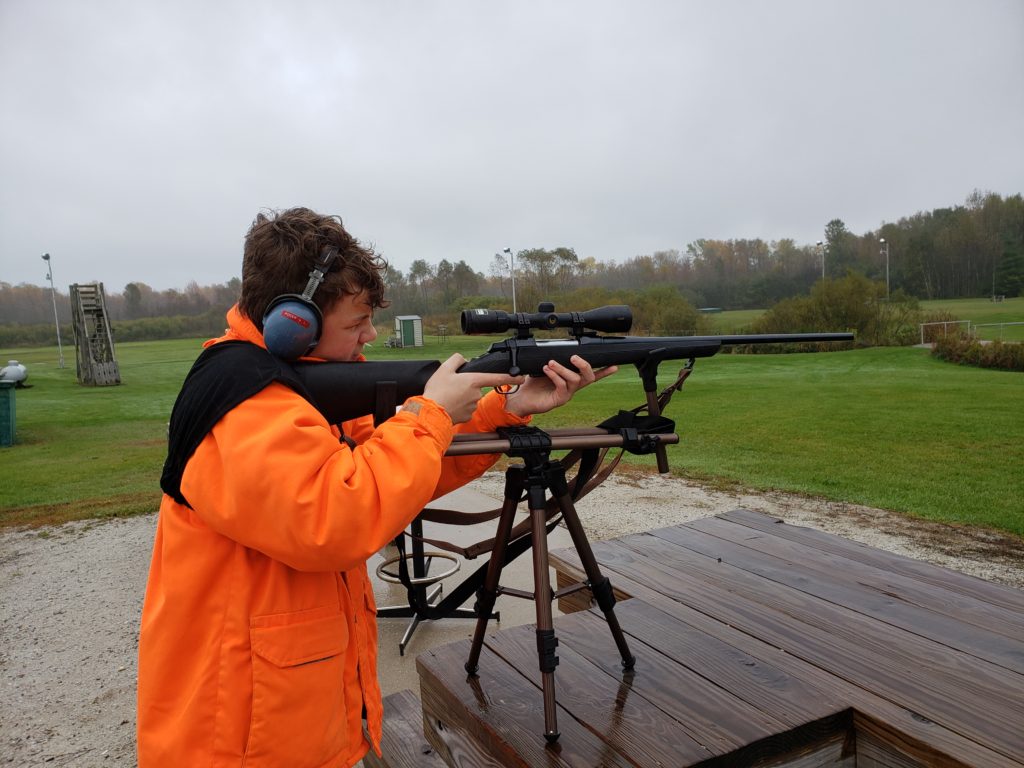
The Manitowoc Rifle & Pistol Club will begin its hunter safety course Sept. 9
Challenge the Outdoors will hold a fundraising banquet Sept. 18 at Woodfire Lodge, 2687 Man Cal Road, Brillion.
Doors will open at 4 p.m. and dinner will be served at 6 p.m. Free beer and soda will be available 7-10 p.m.
Pricing can be obtained for singles, couples, tables of eight and raffle packages by contacting Dona Nie at 920-864-7070 or by emailing dona@woodfirelodge.com to have the flier emailed to you. You can also contact CTO President Carl Gierke at 920-986-3272 or by emailing cgierke1@outlook.com.
The nonprofit CTO offers events and services for disabled sportspeople and their sponors.
Rifle & Pistol Club’s hunter safety course begins Sept. 9
Manitowoc Rifle & Pistol Club, 7227 Sandy Hill Lane, Two Rivers, will hold its hunter safety course Sept. 9, 11, 16 and 18, all from 5:30 to 8:30 p.m., and finish up Sept. 20 from 9 a.m. until noon.
Cost is $10 per student. Register on the Wisconsin Department of Natural Resources’ Go Wild website. Call Mike Rozmiarek at 920-901-6103 with any questions.
Keep wildlife wild, DNR reminds
The DNR is reminding the public to protect young wildlife by observing them from a safe distance and letting them grow up in their natural environment.
“Many of Wisconsin’s native wildlife species, such as rabbits, squirrels, opossums and songbirds, have multiple litters or clutches each year,” said Jenna Fastner, DNR captive wildlife health specialist.
“While it can be exciting to see a young wild animal, especially in your own back yard, it is important to help protect its safety by letting them learn the behaviors they need to survive in the wild from their parents,” Fastner added.
“Learning how to find food, escape from predators and gain necessary social skills with their own species are all important parts of a young wild animal’s development.”
While young wild animals may seem helpless, they are well-adapted to survive without human intervention.
With most species, it is natural for mothers to leave their young alone for long periods of time. While alone, young animals will often lie quietly and still to avoid attracting predators.
As they grow, young wildlife will often wander on their own and, in most cases, do not need intervention.
Here are more reasons to keep wildlife wild:
- Stress: Wild animals view people and domestic animals as predators and are highly stressed by the sights, sounds and smells of being near humans or domestic animals. This stress can cause serious health problems or death.
- Diet: Wild animals have specialized dietary needs that are not easily met in captivity. Inadequate diets put them at a high risk of severe nutritional deficiencies that they may not be able to recover from.
- Habituation: Wild animals must learn normal social behaviors from their own species. Wild animals that learn abnormal behaviors from humans or domestic animals will likely not survive if released.
- Disease: Wild animals carry many diseases and parasites, including some that can spread to domestic animals and humans.
- It’s illegal: Most wild animals are protected under state and federal laws and cannot be taken from the wild or possessed by unauthorized citizens.
Visit the DNR’s Keep Wildlife Wild webpage for species-specific information about native Wisconsin wildlife and why it is best to leave them in their natural environment.
First-time Hunter Pheasant Hunt slated for Sept. 27
The Sheboygan/Manitowoc Chapter 590 of Pheasants Forever is holding a First-time Hunter Pheasant Hunt Sept. 27 at Thunderbird Game Farm in Collins. It starts at 7 a.m. and goes until 2 p.m. Participants must have completed the Wisconsin Hunter Safety Course in 2025.
This hunt is limited to the first 36 people who sign up. Contact Craig Lukasavitz at Lukasavitz2150@gmail.com for more information and to get registered.
Fatal ATV/UTV crashes are often preventable tragedies
With 25 lives lost in ATV/UTV crashes so far in 2025, the DNR is warning riders that vehicle rollovers and lack of basic safety gear and training are common factors in these often-preventable tragedies.
More than half of all crashes this year have been rollovers, and tragically, almost none of the victims wore a helmet and/or seatbelt.
“UTVs and ATVs are not designed like cars,” said Lt. Jake Holsclaw, Wisconsin DNR off-highway vehicle administrator. “When people treat them like they are — speeding on pavement or taking sharp turns — they roll over. And if you’re not buckled in or wearing a helmet, the consequences can be deadly.”
In addition to properly gearing up, keep these tips in mind:
- Never consume alcohol or drugs before or during your ride.
- Do not travel in unfamiliar areas.
- Follow all posted speed limits and regulatory signs.
- Let someone not riding with you know where you are going and when you will return.
Perhaps the most alarming common thread among fatal crashes this year is a lack of training. Most operators involved in fatal crashes had not completed a DNR-approved safety course, which is required of anyone born on or after Jan. 1, 1988. Riders of all ages are encouraged to view course options and sign up for classes on the DNR website.
That’s it for this week, so have fun in the great outdoors.
You may also like
-
Bob Schuh explains Wisconsin’s small game license perk for new hunters
-
Scoping The Great Outdoors By Bob Schuh
-
Winter Free Fishing Weekend is Jan. 17-18 — and no license is needed!
-
Going snowmobiling? Here’s how to find trail info in Manitowoc County.
-
Gun deer season nears — how to donate antlers, where to find CWD kiosks and more