Celebrating the Incredible Accomplishments of 2025
|
|
| Brad Heidel
WWA: Executive Director |
|
|
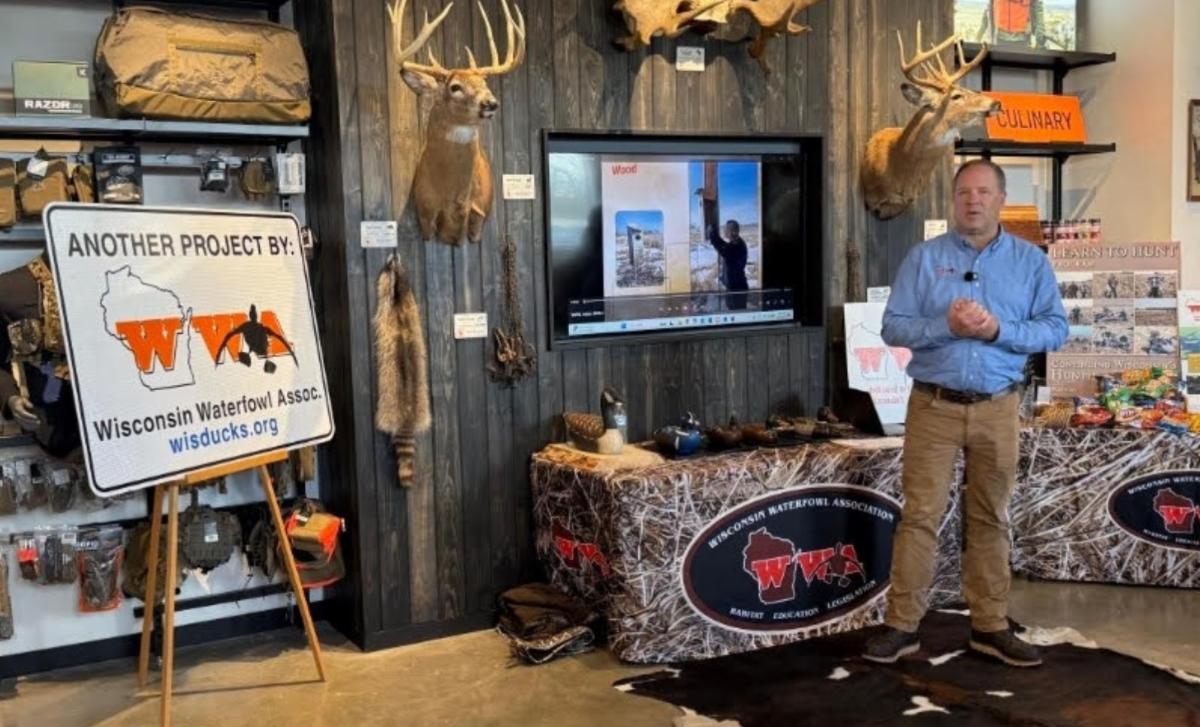
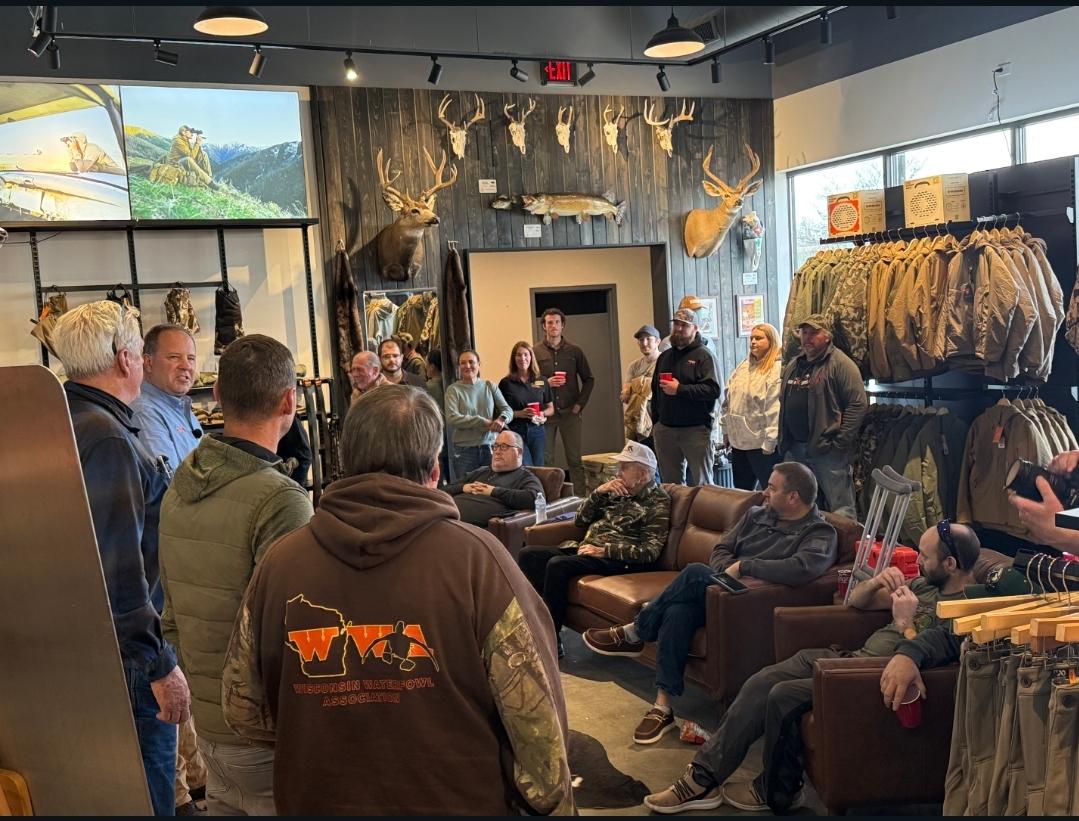
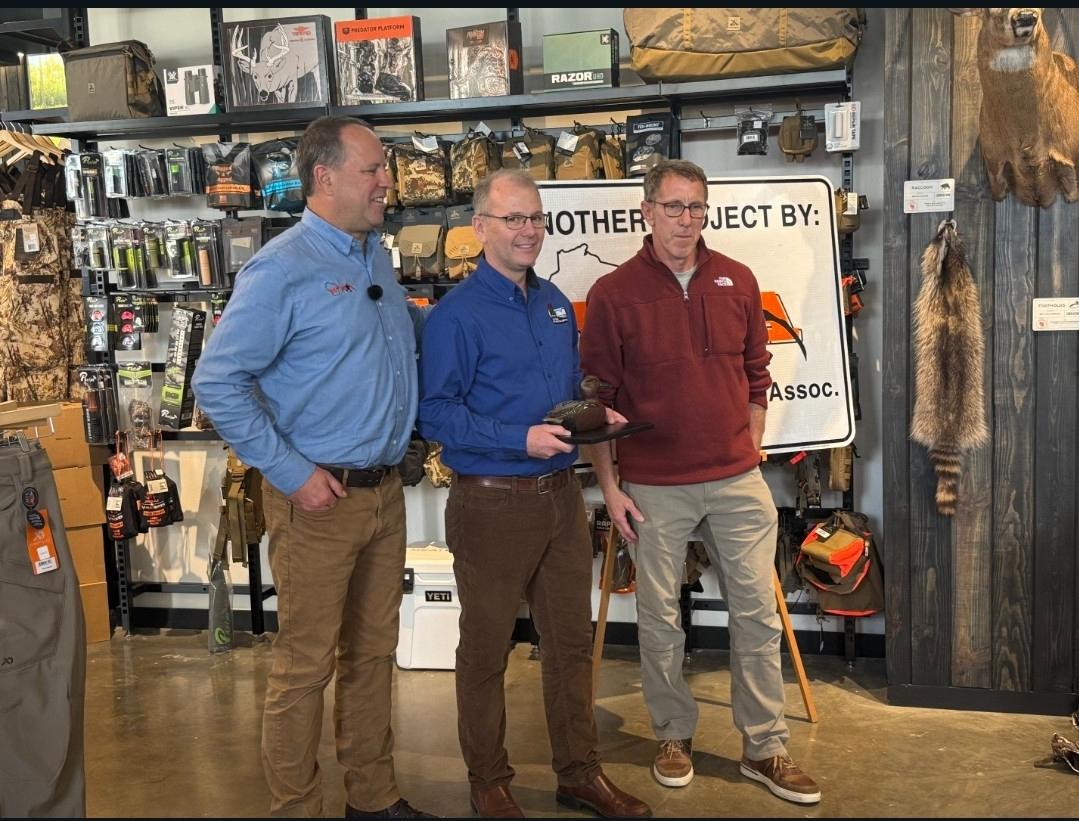
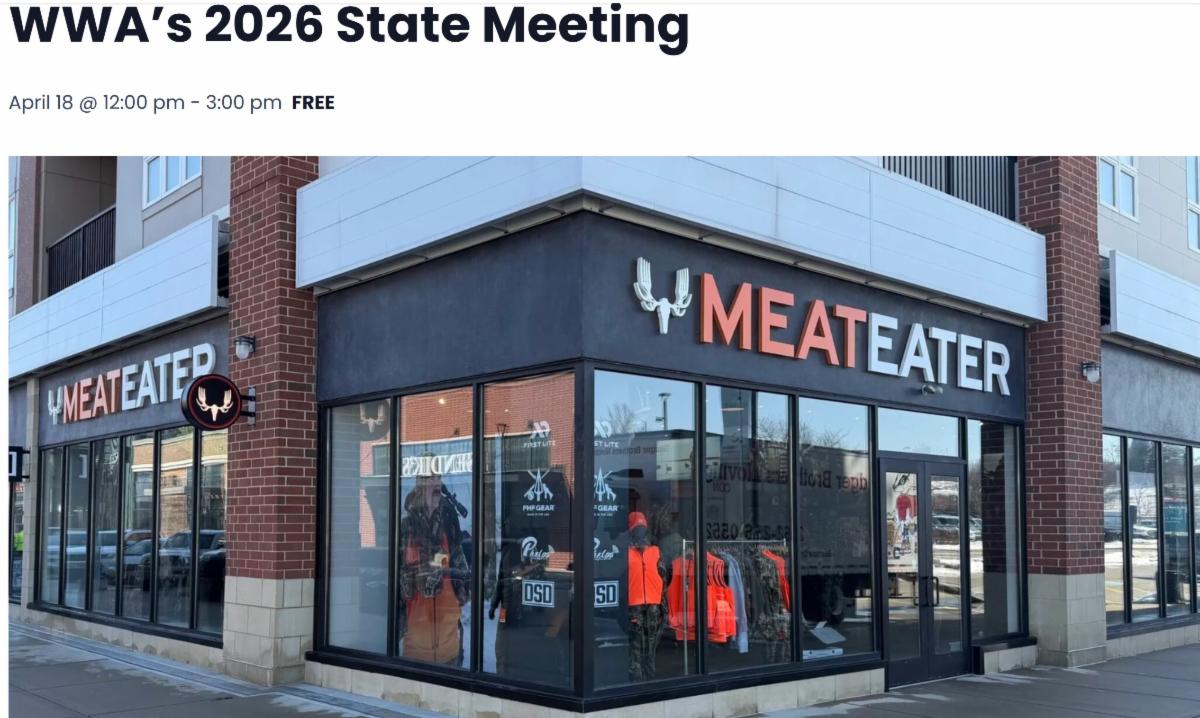
| The Wisconsin Waterfowl Association recently held our 2026 Annual Meeting. It was a SOLD OUT event, hosted in a new and exciting format. This year’s celebration took place at the new MeatEater Store at The Corners in Brookfield. |
|
| The afternoon was spent celebrating the incredible accomplishments of 2025 and recognizing the volunteers, chapters, and supporters who made it all possible. We also took time to look ahead at what 2026 holds for the organization. The day wrapped up with a social hour, featuring food and refreshments, where we shared stories from the past season and looked forward to the promise of the next. |
|
| This past year was a great success. The Wisconsin Waterfowl Association could not do what we do without the support and contributions of our staff, volunteers, and supporters. That said, we were proud to recognize several individuals and chapters that played a significant role in advancing our mission. |
|
|
Celebrated Awards:
- Top Gun – Green Bay Chapter
- Mission Maker – Valley Chapter
- Volunteer of the Year – Connie Markham
- Conservation Partner of the Year – Eric Lobner WDNR Division Administrator FW&PD
|
|
| Remember, none of WWA’s work would be possible without a dedicated staff and an army of volunteers. When I think of these individuals, I’m reminded of the phrase, “Many hands make light work.” We can do even more, but we need your help. If you’re interested in having fun, meeting like-minded people, and making a real impact for Wisconsin’s ducks and duck hunters, please reach out. You can contact me or Brock Rosenkranz at brosenkranz@wisducks.org to learn more.
I can’t thank you all enough,
Brad |
|
|
Wetlands Restored in the
Kettle Moraine State Forest
Southern Unit
|
|
| By: Anna Rzchowski &
Blake Bartels |
|
|
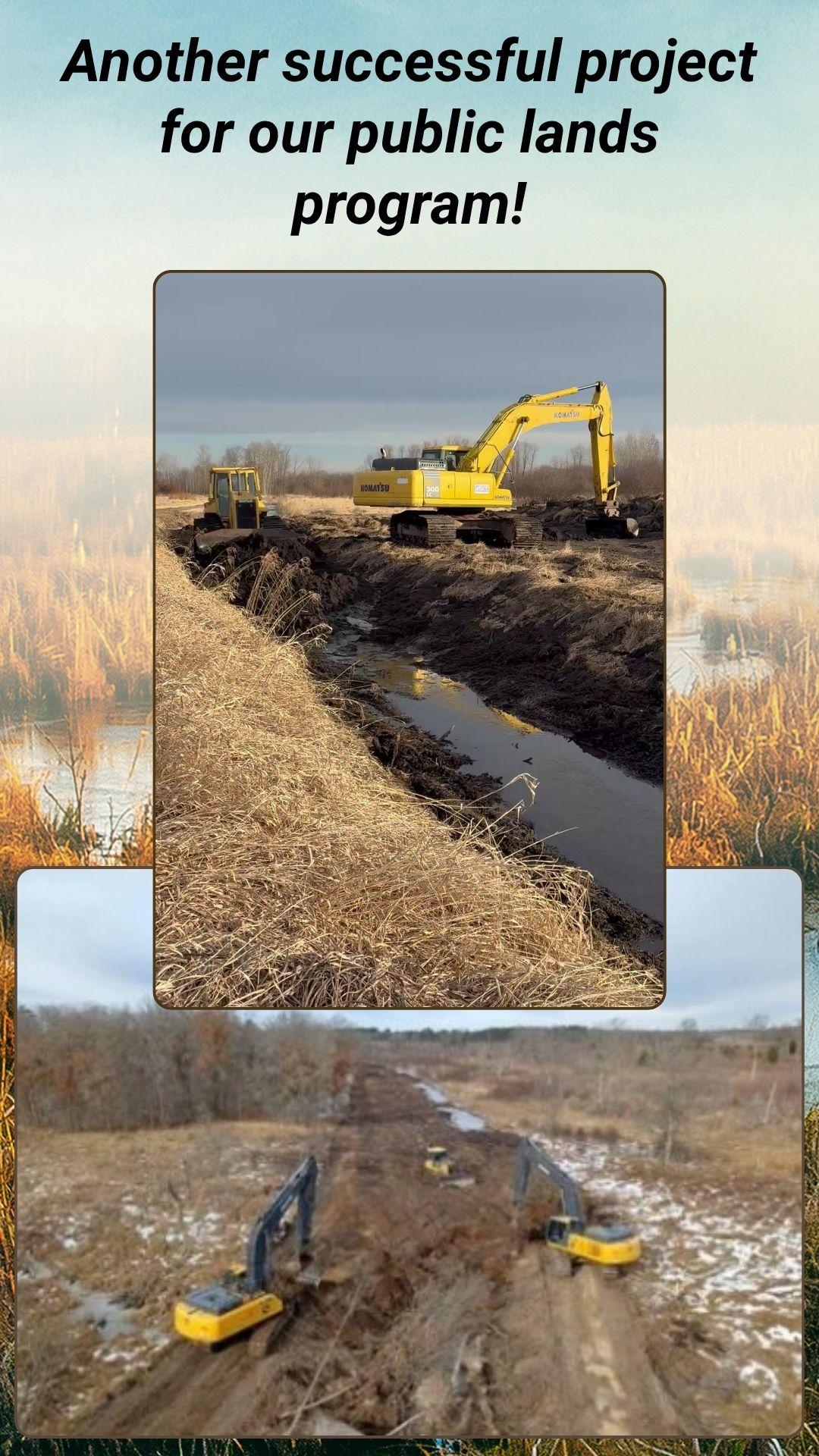
| The Wisconsin DNR, in collaboration with Wisconsin Waterfowl Association, is working to restore the prairies and wetlands surrounding the Scuppernong River within the Kettle Moraine State Forest-Southern Unit.
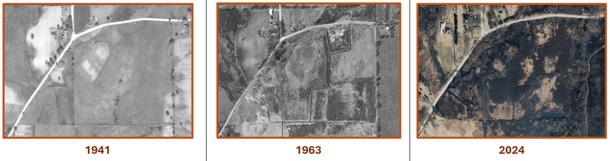
Discussions to restore hydrology to wetlands just south of Highway ZZ began several years ago. Several ditches were draining wetlands along the Scuppernong River, one of which was pulling water from the river and routing it through a system of ditches to the west, rather than allowing water to flow naturally through the meandering stream channel. |
|
| This project will restore prairie and wetlands and remove woody invasive species separating prairie nesting cover from 1,000+ acres of emergent marsh, sedge meadow, and calcareous fen habitat.
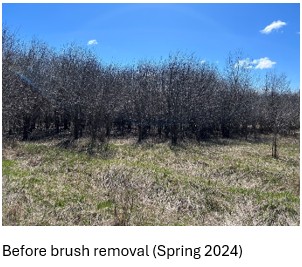
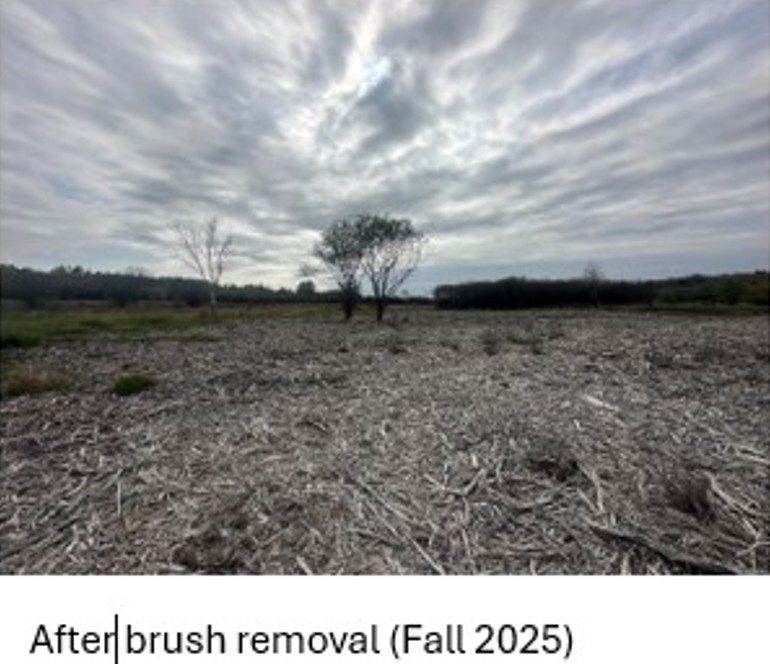
Before any earthwork began, DNR staff removed the now-dense stands of invasive buckthorn. When we first walked the site, the brushy wetlands were nearly impenetrable with almost bare soil underneath, and weren’t offering much habitat for wildlife of any kind. With the brush removed, the open areas can be seeded with prairie vegetation or allowed to naturally regenerate from the seed bank.
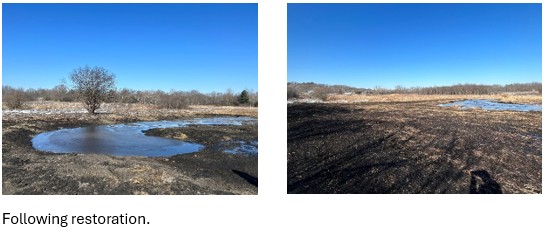
Following the brush removal in 2025, DNR staff plugged ditches and installed shallow wetland scrapes. We walked the site in spring 2026, shortly after the work was completed. The ditch plugs were functioning as intended and holding more water on-site. Over time, water will spread laterally through the soils, creating small pockets of shallow surface water in some places and saturated soils in others. |
|
|
| There is still some work left to complete. The southernmost ditch that meets the Scuppernong River is difficult to access- meaning that a good, long stretch of cold weather is needed to allow heavy equipment to reach the work area. DNR will complete this next stage of restoration when conditions allow. For now- we wait! |
|
|
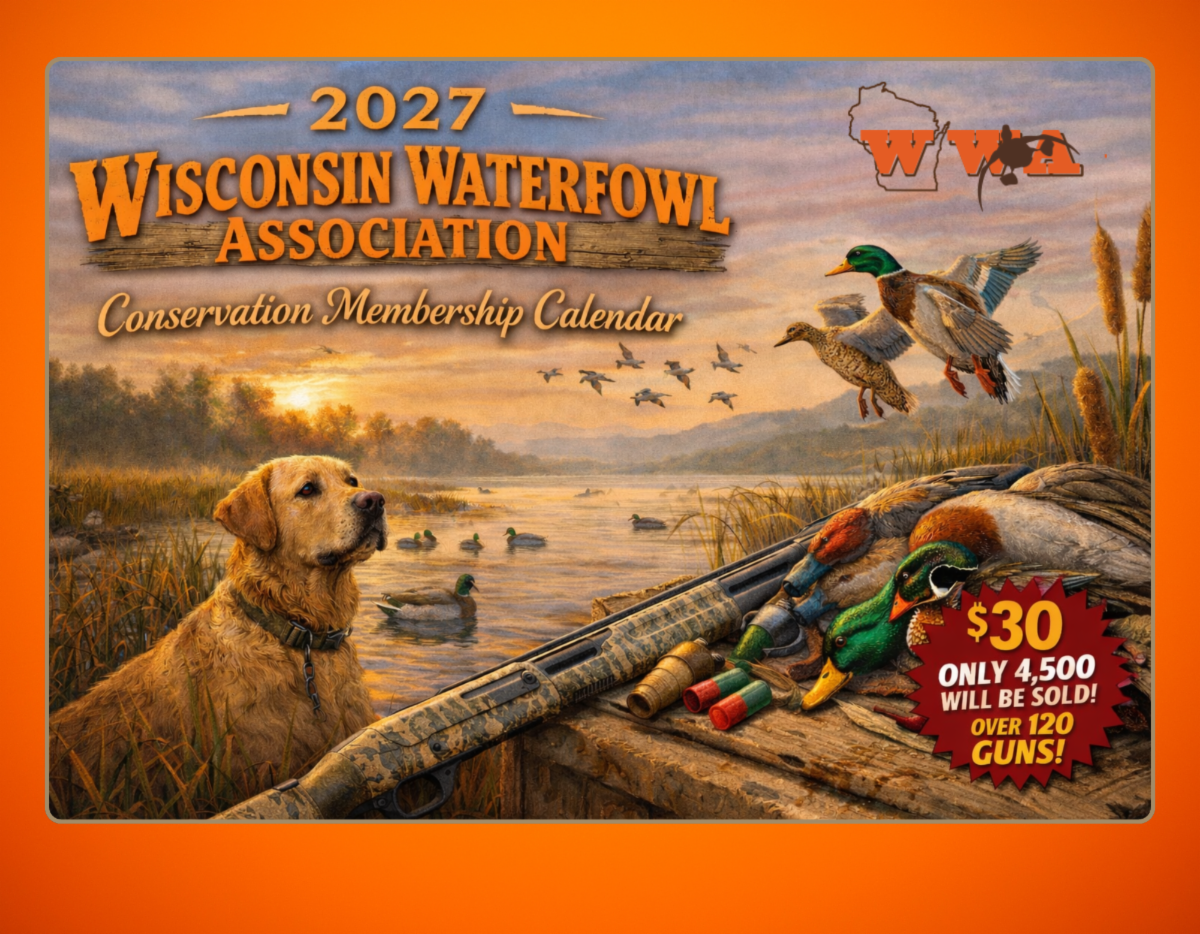
Sneak Peek: 2027 WWA
Conservation Membership Calendar
PHOTO CONTEST WINNERS
|
|
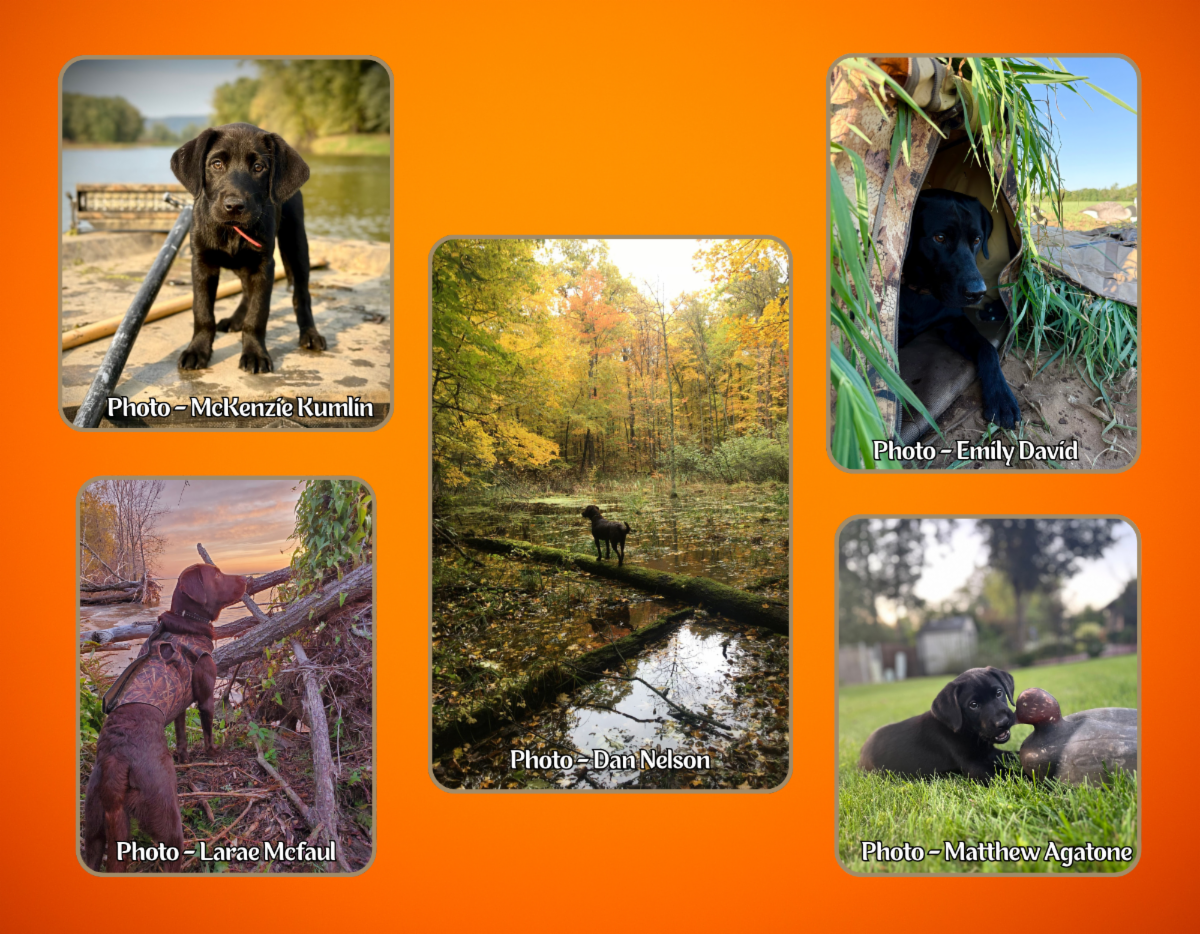
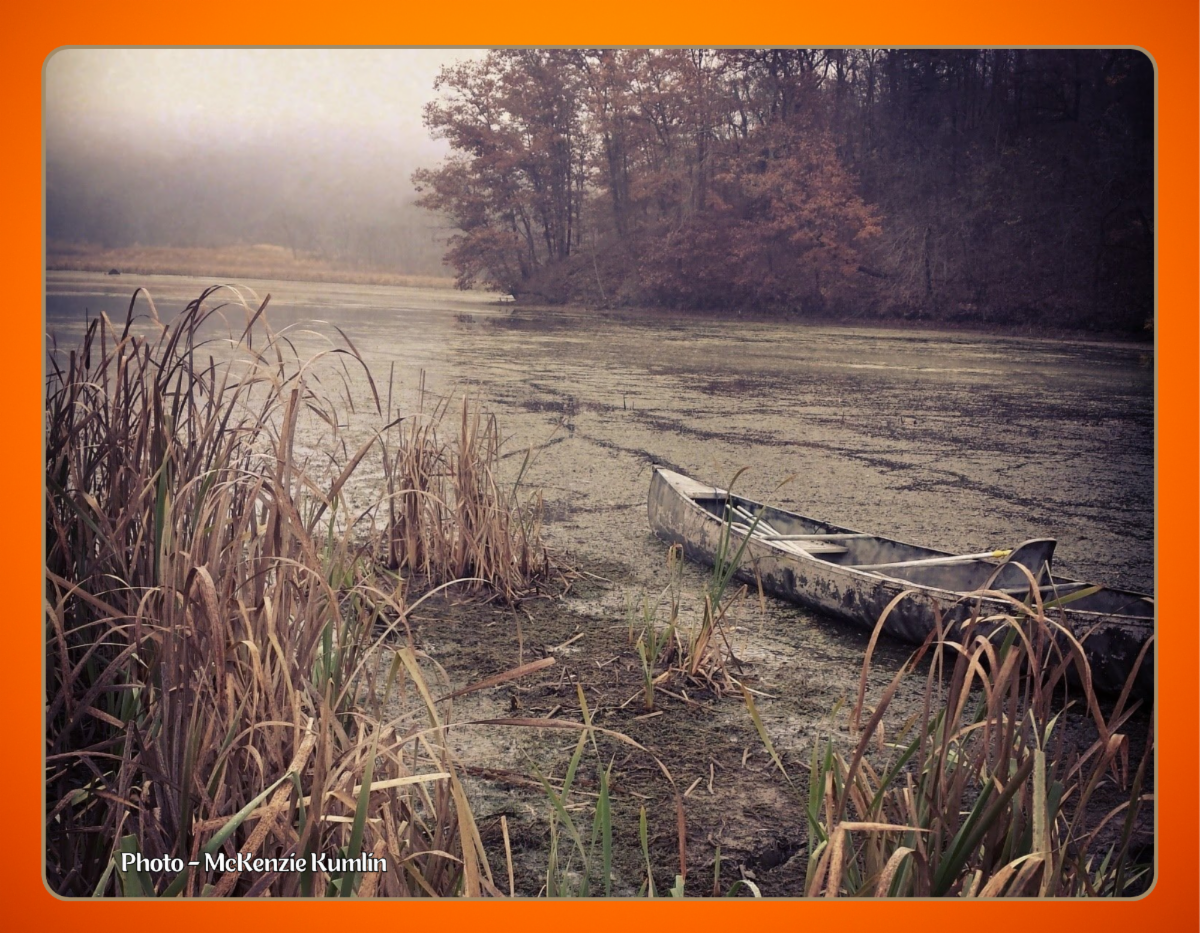
| We’re excited to announce the photographers whose images will be featured in the 2027 WWA Calendar! Thank you to everyone who submitted their incredible shots and helped showcase the beauty of waterfowling and conservation.
Huge thank you to everyone who submitted photos. Your passion helps tell the story of conservation, education, and our waterfowling heritage! |
|
| Featured Photographers by Month:
• January – Rick Sasek
• February – Brian Kuether
• March – McKenzie Kumlin, Larae McFaul, Dan Nelson, Emily David, Matthew Agatone
• April – Robert Hilbert
• May – Suzanne Jungwirth
• June – Danielle Fairman
• July – Robert Hilbert, Brian Kuether, Trevyr Kersher
• August – Waterfowl Hunters Expo (Jade)
• September – Ryan Smits, Elizabeth Lansing, Steven Growel
• October – McKenzie Kumlin
• November – James Davis, Abigayle Gorgance
• December – Jeff Luedeke |
|
|
2027 CALENDAR
ON SALE – AUGUST 2026
|
|
| Bruce Urben,
WWA President |
|
WWA President Bruce Urben Honored to Have Parasite Named After Him
|
|
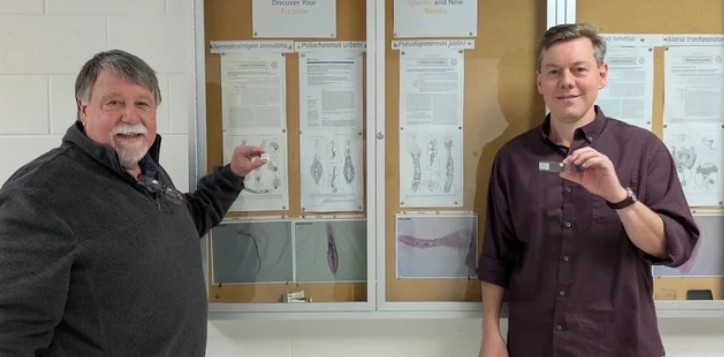
| Pictured above: WWA President Bruce Urben (left) and Dr. Robert Jadin with the new Scaup parasites identified and named in their honor for their support of duck carcass donations for UWSP Research. |
|
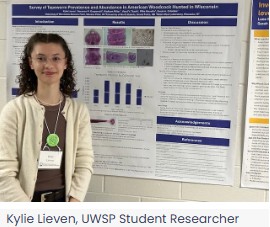
| I was invited to attend the UWSP student research symposium on Friday, April 17th. All student researchers were able to present a poster or an oral presentation of data they collected, explored, and analyzed during the course of their research.
I was pleased to hear research done under the mentorship of Dr. Sarah Orlofske in her “parasite lab”. Research that affects waterfowl health and can impact Wisconsin waterfowling: |
|
|
| Tyler Strelow,
WDNR Conservation Warden Capt. |
|
Waterfowl Season Roundup:
Safe Overall, Citation Recap Holds Valuable Safety Reminders
|
|
| Another season is in the books. With all hunting seasons, hunters see ups and downs in the amount of game we see, weather patterns, and our ability to get afield.
As with conservation law enforcement, we can also see the ups and downs. This past migratory bird season was much like the past waterfowl seasons. Our warden staff encountered numerous hunting violations in the field; some preparatory steps could easily be taken to ensure they don’t recur.
The areas where we observed the most enforcement action included:
- Hunt with a gun capable of holding more than three shells
- Hunt migratory birds during the closed season
- Take protected species
- Hunt without a state waterfowl stamp
- Use or possess toxic shot
Mistakes Provide Valuable Lessons
Looking at the most common violations during the year is a good opportunity to reflect on how we are doing as hunters. This reflection can also… |
|
|
GET READY FOR
FATHER’S DAY BOGO DEAL!
June 10th through Father’s Day!
Buy one advance ticket – get one FREE
Bring Dad or a buddy and double the fun!
|
|
| Tyler Strelow,
WDNR Conservation Warden Capt. |
|
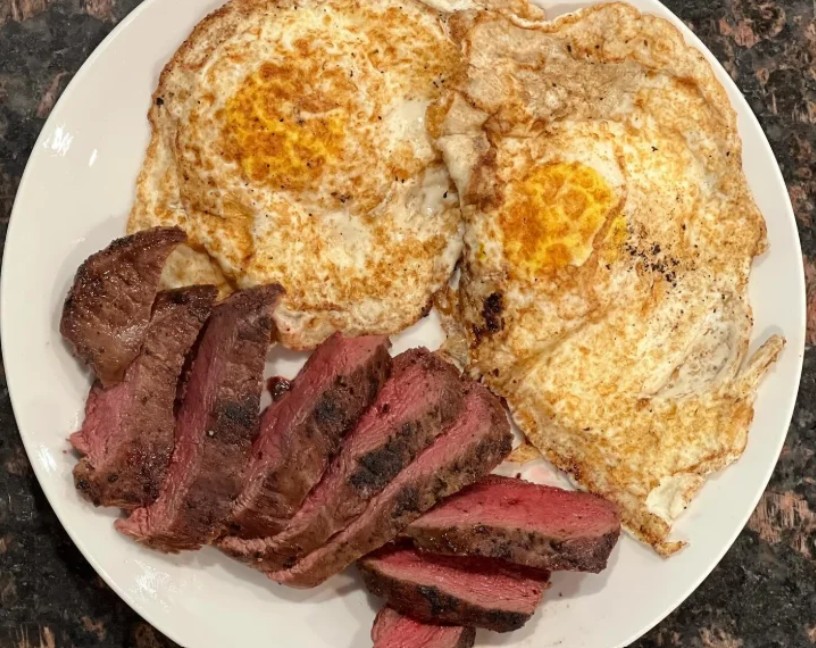
Duck-And-Eggs Is The Perfect Protein Breakfast
|
|
| What does a conservation warden know about being a chef? Well, outside of my profession, I help feed my four boys. Wait, there’s more to this food tale.
I am an avid waterfowl hunter with four boys who enjoy ducks all season. We enjoy our meals.
One of our fall favorites is our duck-and-egg breakfast. It seems these days, I hear about people looking for protein sources to support a healthy, nutritious diet. Enter the duck. I thought I would share this simple protein-packed breakfast with my fellow duck hunters.
Eating duck can be a controversial topic. When I talk to others about duck hunting and eating duck, I often get the scrunched-up facial expression — even from other hunters who usually tell me about an unpleasant dining experience related to waterfowl. “It’s all in how you handle and prepare them,” I tell them.
Consider this recipe and preparation from one duck hunter, me, to another — you. Please be careful when eating wild game, or any meat for that matter, as there are suggested cooking temperatures and preparation guidelines to avoid food-borne illness.
Duck Steak Rivals the Beef Sirloin
Duck steak is one of my family’s favorite foods. Duck is red meat and best prepared as other red meats. A foolproof way to turn a duck breast into something like and, in my opinion, better than a beef sirloin, is to follow these tips.
- Age your ducks if you can. Hang your harvest upright in a cold, dry place for a couple of days.
- Remove the breast portion of the meat so you have two boneless duck breasts. Rinse the meat and use paper towels to dry it.
- Season both sides with a steak seasoning (like garlic salt and pepper).
- Heat a skillet on the stove on medium-high. You can tell it is the correct temperature by placing a small bit of butter in the skillet. If it quickly starts to brown and smoke, the temperature is perfect.
- Place a pat of butter in the pan and quickly put the duck breast on the melting butter in the skillet.
- Put a butter pat atop each breast and cover the skillet. (It works best if the outer breast meat is down on the skillet and the inner breast is facing up. This helps the butter soak in.)
- Cook for no longer than 3 minutes, remove cover, flip, and cook uncovered for another 2 minutes.
- Remove from skillet and let stand for 3 minutes.
- Cook eggs and hashbrowns and add to the plate.
- Enjoy this perfectly cooked (medium, pink inside) entrée with your eggs and hashbrowns. It’s the ideal protein-packed breakfast to get you through another morning hunt or a long day at work.
These directions are for an average-sized mallard and will work for any duck. But if you are cooking a smaller duck, you will need to reduce the cooking time (such as teal 2 minutes, flip, and another minute). I enjoyed everything from mallards, shovelers, canvasback, and even coots like this, and they are all delicious.
One of my favorite parts of the hunt is sharing the bounty with others. Wild game cooking is a great way to introduce people to hunting and show them how much we, as hunters, appreciate the animal from the field to the table.
Please take the time to introduce someone new to hunting. I’ll see you in the marsh.
|
|
|
| Bruce Urben,
WWA President |
|
Arthur (Art) F. Techlow III- Decoy Carver, Decoy Collector, Biologist, and Waterfowler
|
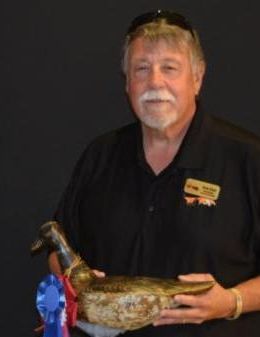
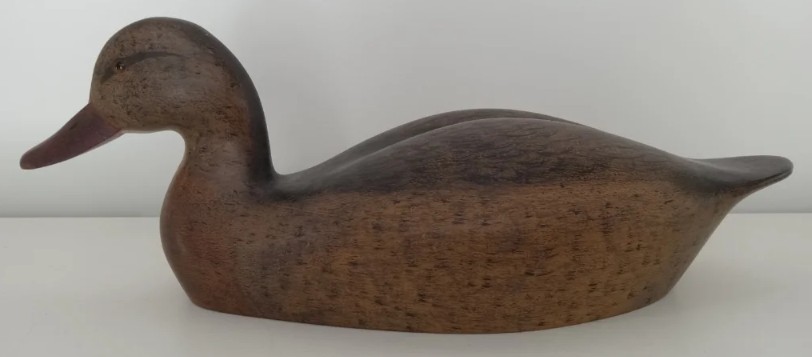
| Pictured is a Techlow Mallard Hen decoy from 1975. All photos courtesy Art Techlow Collection. |
|
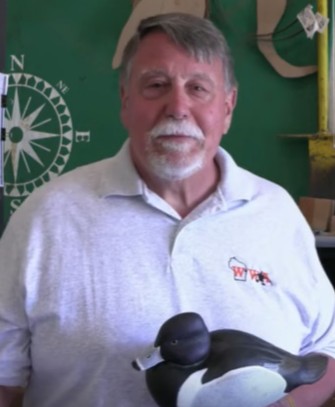
| Waterfowl hunting and decoy carving have gone hand in hand in the Oshkosh area since the 1800’s. The Winnebago chain was a waterfowling hotbed, and at least one book was written specifically about the decoy carvers of the Winnebago chain (Ron Koch, Decoys of the Winnebago Lakes, 1988). My next featured carver fits the bill as an Oshkosh decoy carver, but with one exception… he began carving in 1971 at age 18! |
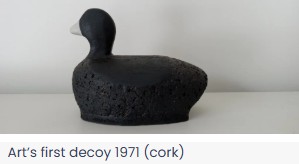
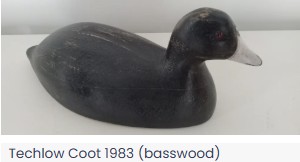
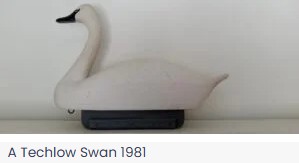
| Art began carving his own decoys in 1971 at the age of 18. His first decoys were made of refrigeration cork. Carving was an easy decision considering his hunting buddy and father were carvers! After school and college, Art was hired by the WDNR in Oshkosh and gradually moved up to be the Winnebago System Biologist, his dream job on the system he grew up with. Art worked for the WDNR for 34 years. |
|
|
|
Need Not Be Present To WIN
Grand Prize:
Pointer FT6 20ga. Heat Tempered Side x Side Shotgun
|
|
- Tickets just $10 each, only 250 sold
- Drawing 3:30 pm July 12, 2026 at Ozaukee County Fish & Game Assoc, 5123 County Road Y, Fredonia, WI 53080
|
|
|
|
|