
Game and Fish proposes 3-year hunting seasons
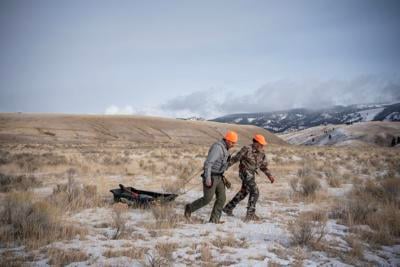
The Wyoming Game and Fish Department on Thursday proposed updating big game hunting seasons every three years as opposed to annually.
The change would allow the department to focus on habitat improvement and research, Justin Binfet, the department’s deputy chief of the wildlife division, told the Wyoming Game and Fish Commission.
“This is not about Game and Fish avoiding work,” Binfet said.
“This is about reprioritizing time and resources to help us address some other things that we would really, really like to.”
Binfet pitched the commission on three-year seasons for big game and birds after seasons are set in spring 2027. The commission would have to approve the changes.
The department still would be able to change seasons in an off-cycle year in the case of an emergency, such as the harsh winter of 2022-23 that killed large numbers of pronghorn and mule deer, Binfet said.
Projects like wildlife crossings and fence conversions can be more helpful to herd health than tweaking hunting seasons, Binfet said. The department also has a backlog of big game datasets, which staff could analyze to better illustrate seasonal movements or migration corridors.
About 89% of Game and Fish employees support the change, according to an internal survey presented to the commission.
Outfitter Lee Livingston and Michael Juretich, president of Bowhunters of Wyoming, spoke in favor of the change. The longer timeframe for approved seasons would allow outfitting clients to make plans further in advance, Livingston said.
Having to wait until May before finalizing plans is the primary complaint Livingston gets besides how sore his clients’ butts get on the six-hour ride into camp, he said.
“The outfitting industry is strongly behind this,” he said.
Most members of the public that the department have been spoken to have been “rather indifferent,” Binfet said.
“I certainly don’t want to give anybody the indication that everybody thinks this is a great idea or nobody has any issues with it,” he said. “But there is no widespread opposition to it.”
Commissioners were more skeptical. Commissioner John Masterson said he saw some “yellow or red” flags. One concern was around diminished engagement between the department, commission and the public in the absence of annual season setting. The best and most active interactions with the public come during the season-setting process, Masterson said.
“I really thrive on it,” he said. “Even when I get yelled at, I usually learn something.”
Masterson said he could “understand, appreciate and agree” with the benefits Binfet outlined and that he was “conceptually on board.”
As part of discussing the potential change with regional offices, Game and Fish officials asked regional staff to come up with ways to engage with the public outside of season setting. That could include discussions around chronic wasting disease, data collected from collared animals or antler point restrictions, depending on the region, Binfet said.
“In no way, shape or form is this going to diminish our engagement with sportsmen and women or other stakeholder groups in Wyoming,” he said. “That is a firm commitment.”
Masterson requested more engagement with the public on the potential change, which the department will seek approval for in April 2027. The commission’s April meeting is when the commission typically approves hunting seasons.
You may also like
-
Opening day/Bobwhite Quail Hunting in Missouri with Chief Upland
-
Whitetails Unlimited Celebrates Wild Game Meat Donation Month
-
Why Colorado Rejected A Right to Hunt and Fish Despite Large Sportsmen’s Spending Advantage
-
Why Colorado Rejected a Right to Hunt and Fish Despite Sportsmen’s Substantial Spending Advantage And why hunters everywhere should pay attention
-
Why Colorado Rejected a Right to Hunt and Fish Despite Sportsmen’s Substantial Spending Advantage And why hunters everywhere should pay attention