
Disease affecting thousands of Wisconsin deer spreads to dairy cattle

By AGDAILY Reporters Published:
A viral disease responsible for thousands of infections in Wisconsin’s deer population has now been detected in dairy cattle in Waukesha County.
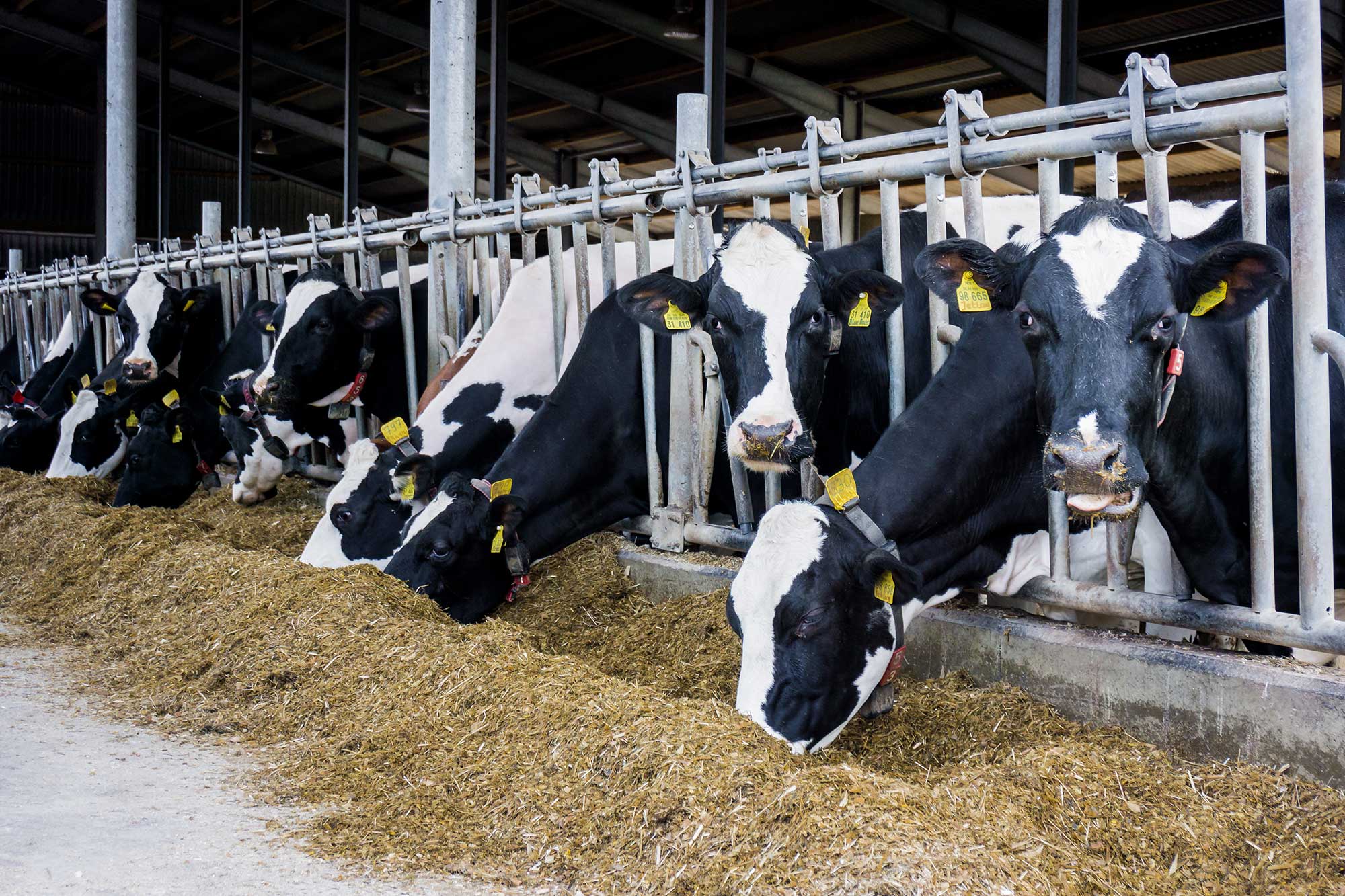
The Wisconsin Department of Agriculture, Trade and Consumer Protection confirmed epizootic hemorrhagic disease, or EHD, in samples collected from dairy cattle that were not producing milk. The cases come as wildlife officials continue to track a significant EHD outbreak among deer in southeastern Wisconsin.
EHD is a viral disease spread by biting midges and is most commonly seen in late summer and early fall. The disease does not pose a threat to people.
“EHD does not infect humans, and generally causes mild or inapparent infections in domestic cattle and small ruminants,” according to Cornell University’s Wildlife Health Lab.
Wisconsin agriculture officials said people are not at risk from bites from the insects that transmit the disease or from “direct exposure to or consumption of meat or milk from EHD-infected cattle or deer.”

Disease uncommon in cattle
While EHD can be deadly in deer, infections in cattle are generally less severe.
“Unlike in deer, it is unusual for cattle to experience symptoms of the disease,” the department said in a statement.
When symptoms do occur in cattle, they can include lameness, weight loss, fever and sores on the legs, mouth or teats.
“There is no treatment for EHD,” DATCP said. “These cases indicate that virus is circulating in the environment.”
The Waukesha County detections are not Wisconsin’s first cases of EHD in cattle. State officials said the disease was previously detected in cattle in 2013.
Thousands of deer affected
The cattle cases come amid a much larger outbreak in Wisconsin’s wild deer population.
The Wisconsin Department of Natural Resources recently reported an ongoing EHD outbreak in Washington and Waukesha counties. State records show more than 1,200 estimated cases in Washington County and about 400 in Waukesha County.
Suspected cases have also been reported in Dodge, Fond du Lac, Milwaukee, Ozaukee and Jefferson counties. Milwaukee County had an estimated 10 cases.
“Wisconsin is on the far northern edge of the home range of the flies that carry the virus and so far only has sporadic outbreaks of this disease,” the DNR said.
Infected deer may appear weak and develop foaming around the nose and mouth. Because sick animals often seek water to cool themselves when feverish, dead deer may be found in or near ponds, streams and other bodies of water.
The virus does not survive in deer carcasses, according to state wildlife officials, but people are still advised against handling carcasses because of the potential for exposure to other diseases.
EHD outbreaks typically subside after the first hard freeze kills or reduces populations of the biting midges responsible for spreading the virus.
Wisconsin agriculture officials are encouraging producers who notice possible EHD symptoms in cattle or farm-raised deer to contact their veterinarian for a diagnosis. Confirmed cases must be reported to the department within 10 days.
Officials also recommend that cattle and farm-raised deer producers pay close attention to parasite control and avoid overcrowding animals.
You may also like
-
Don’t Miss Wisconsin’s Youth Deer Hunt Oct. 10-11
-
Viral disease infecting thousands of Wisconsin deer found in Waukesha County dairy cows
-
Don’t Miss Wisconsin’s Youth Deer Hunt Oct. 10-11
-
DNR Shares Deer Herd Health Reminders And Updates
-
Know Your Target: Don’t Accidentally Shoot Elk This Hunting Season